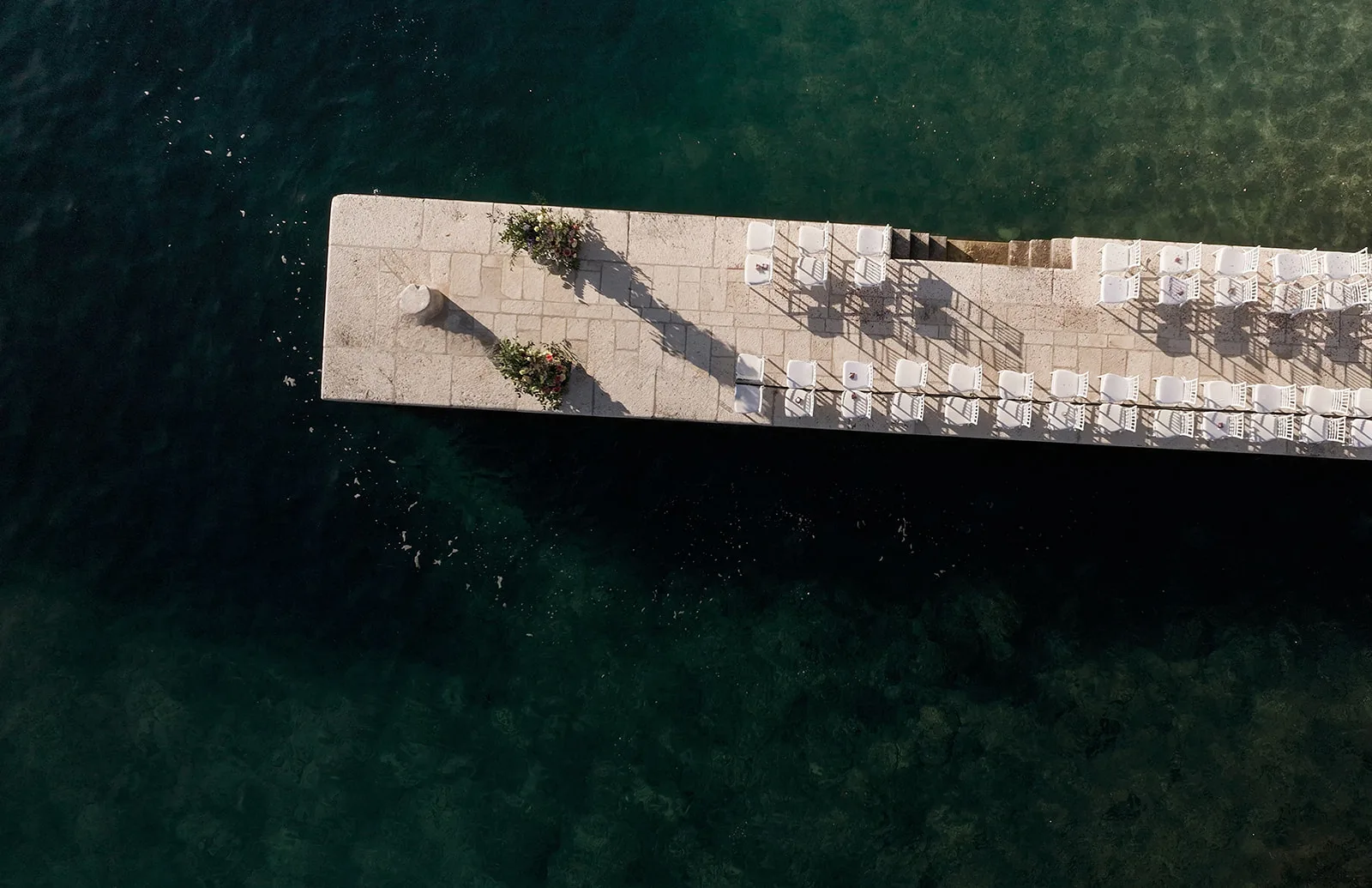
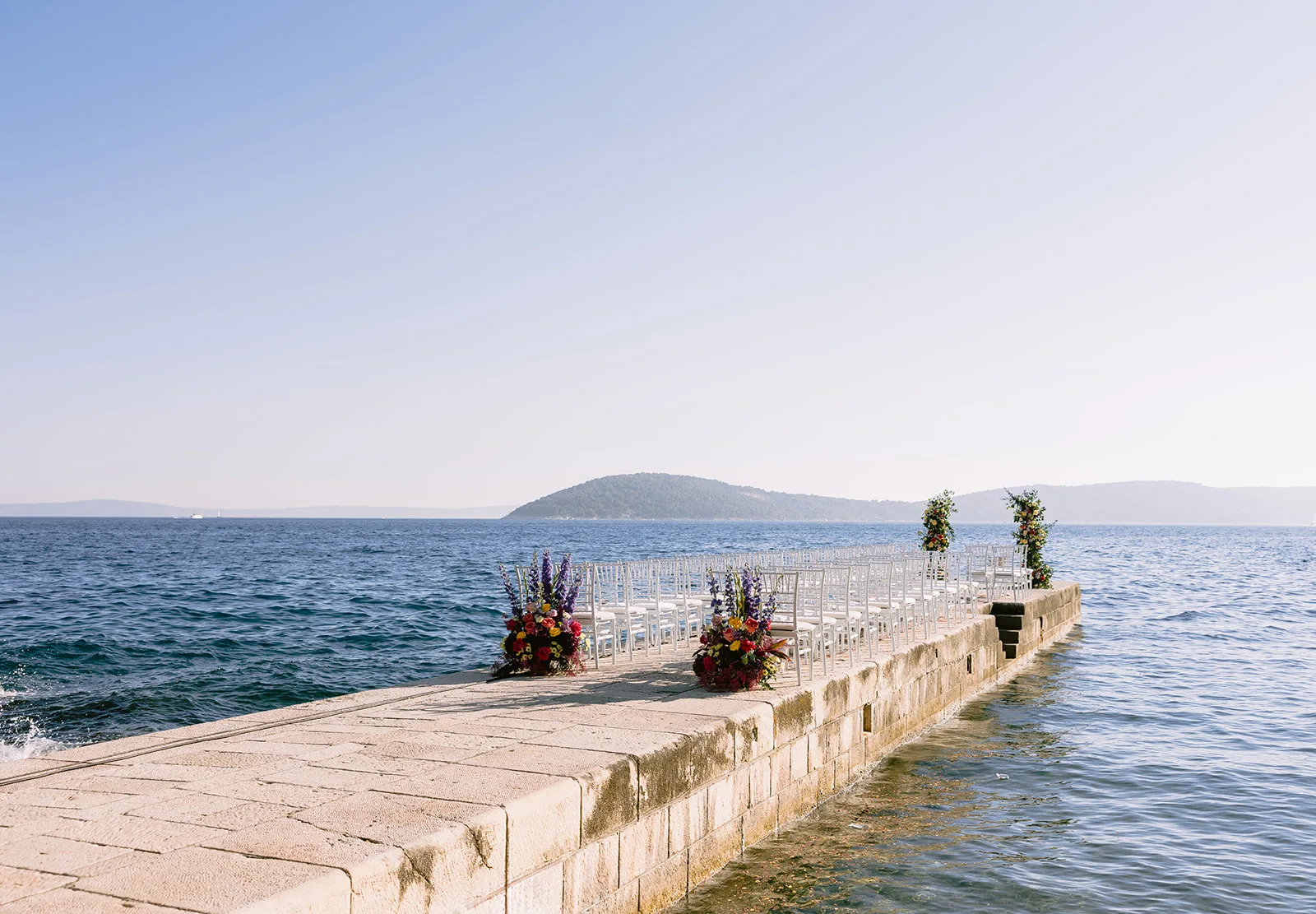
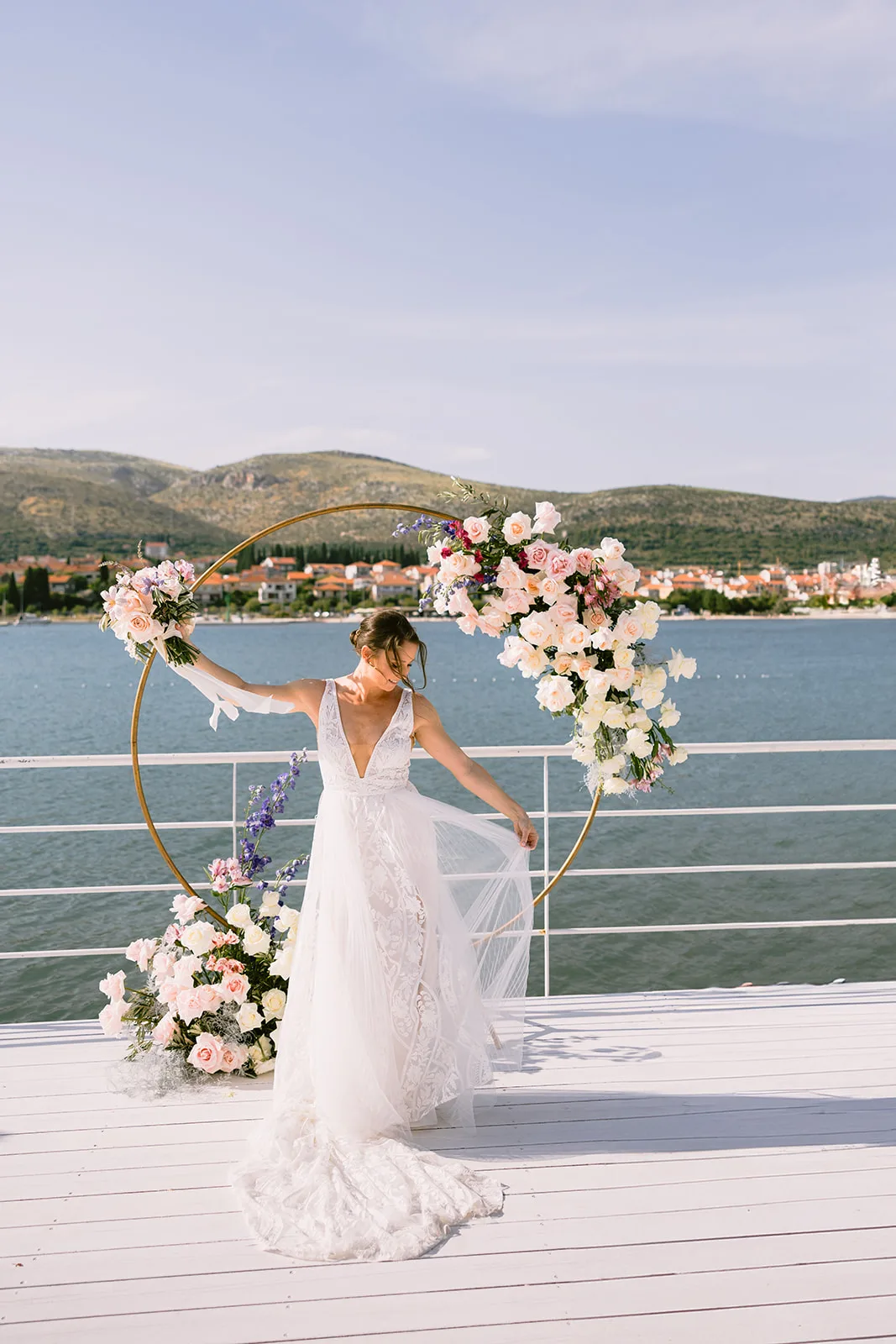
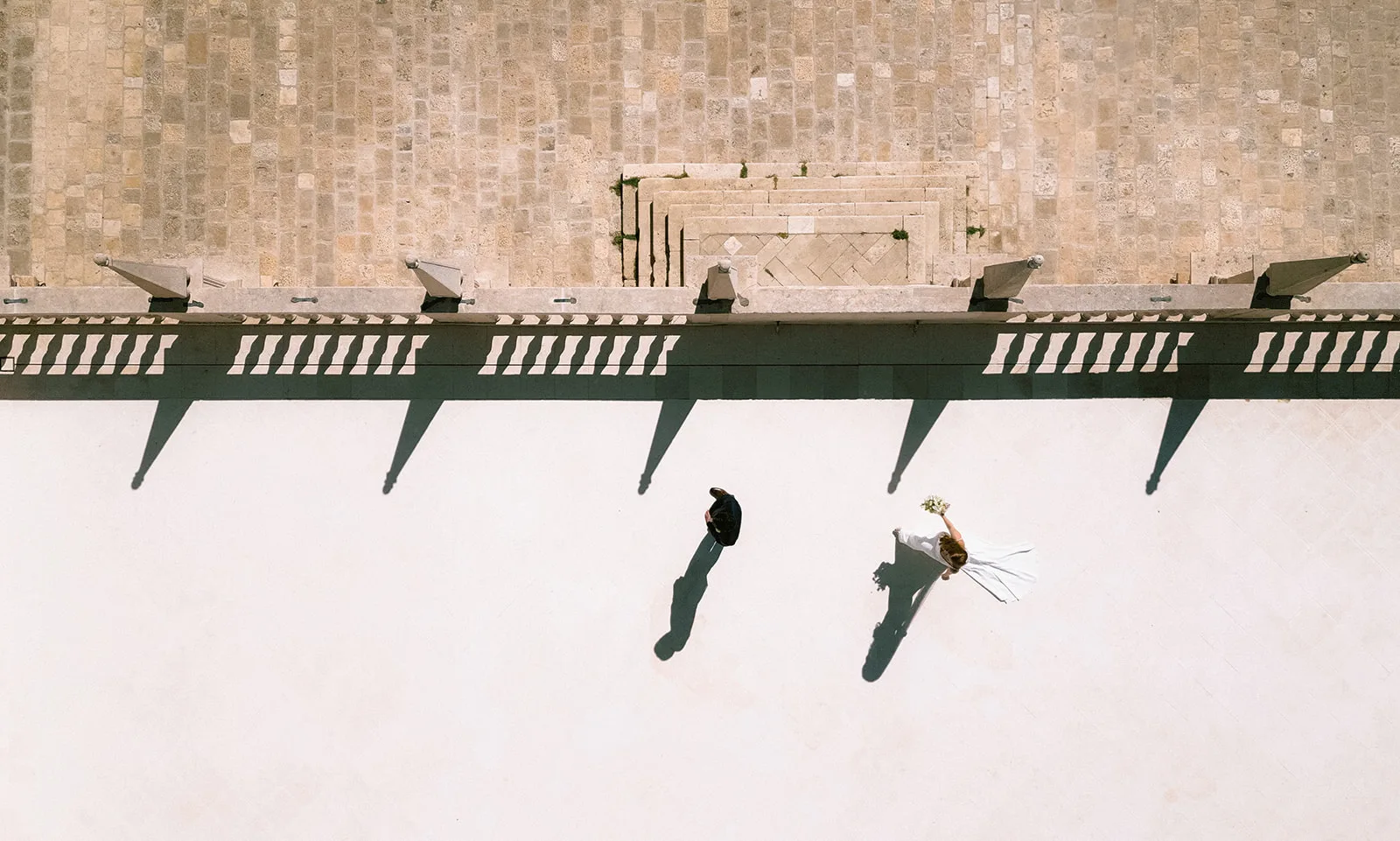
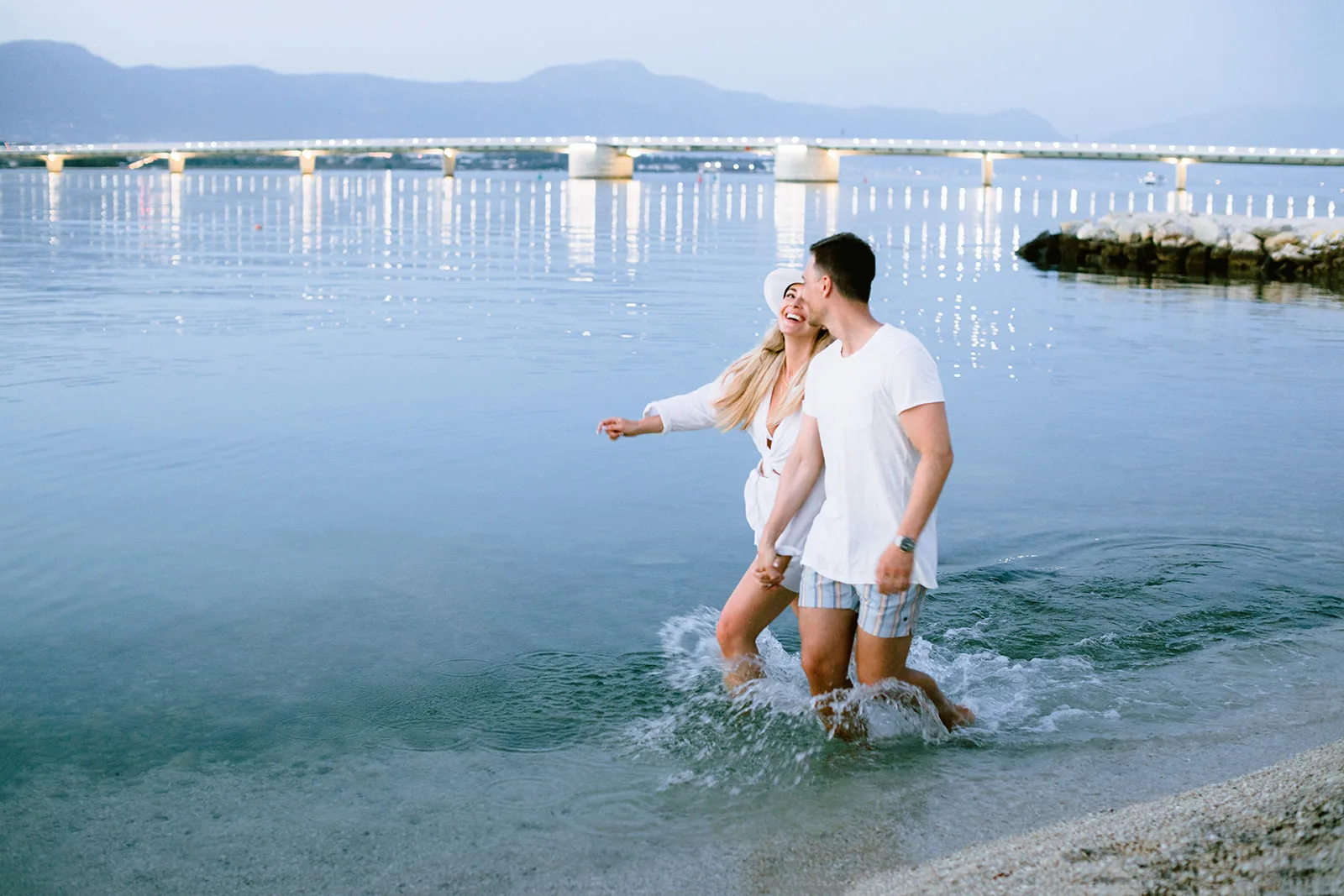
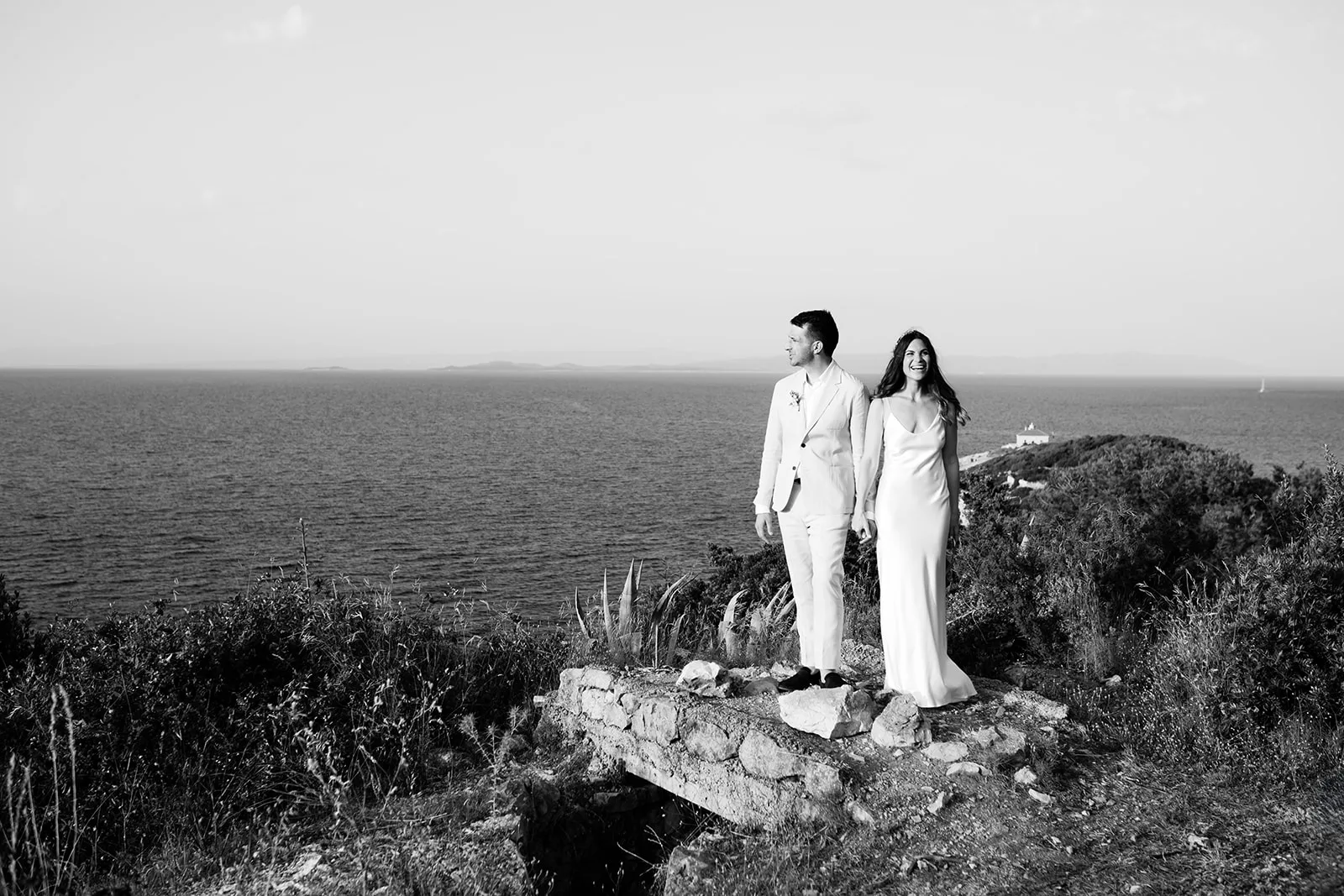
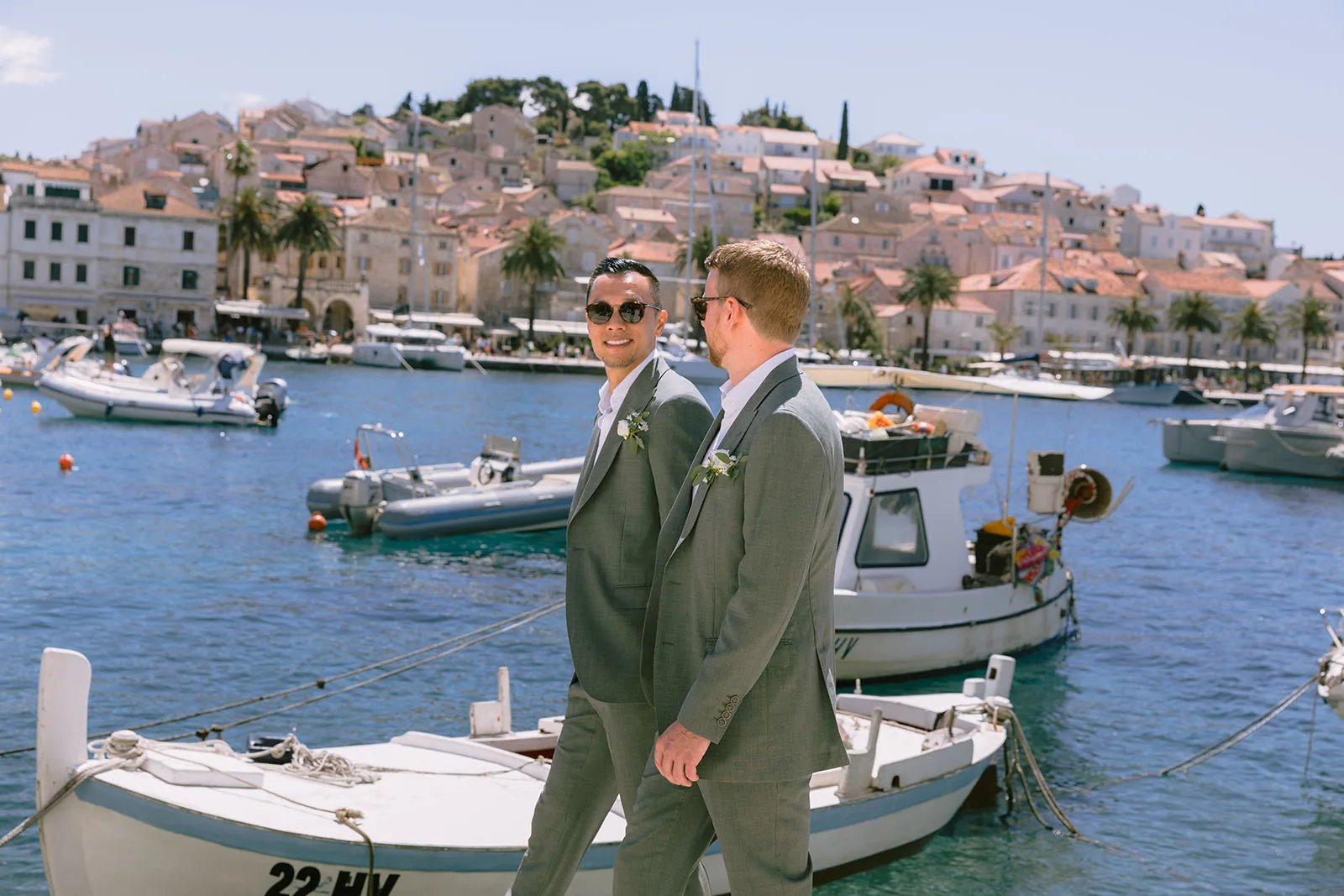
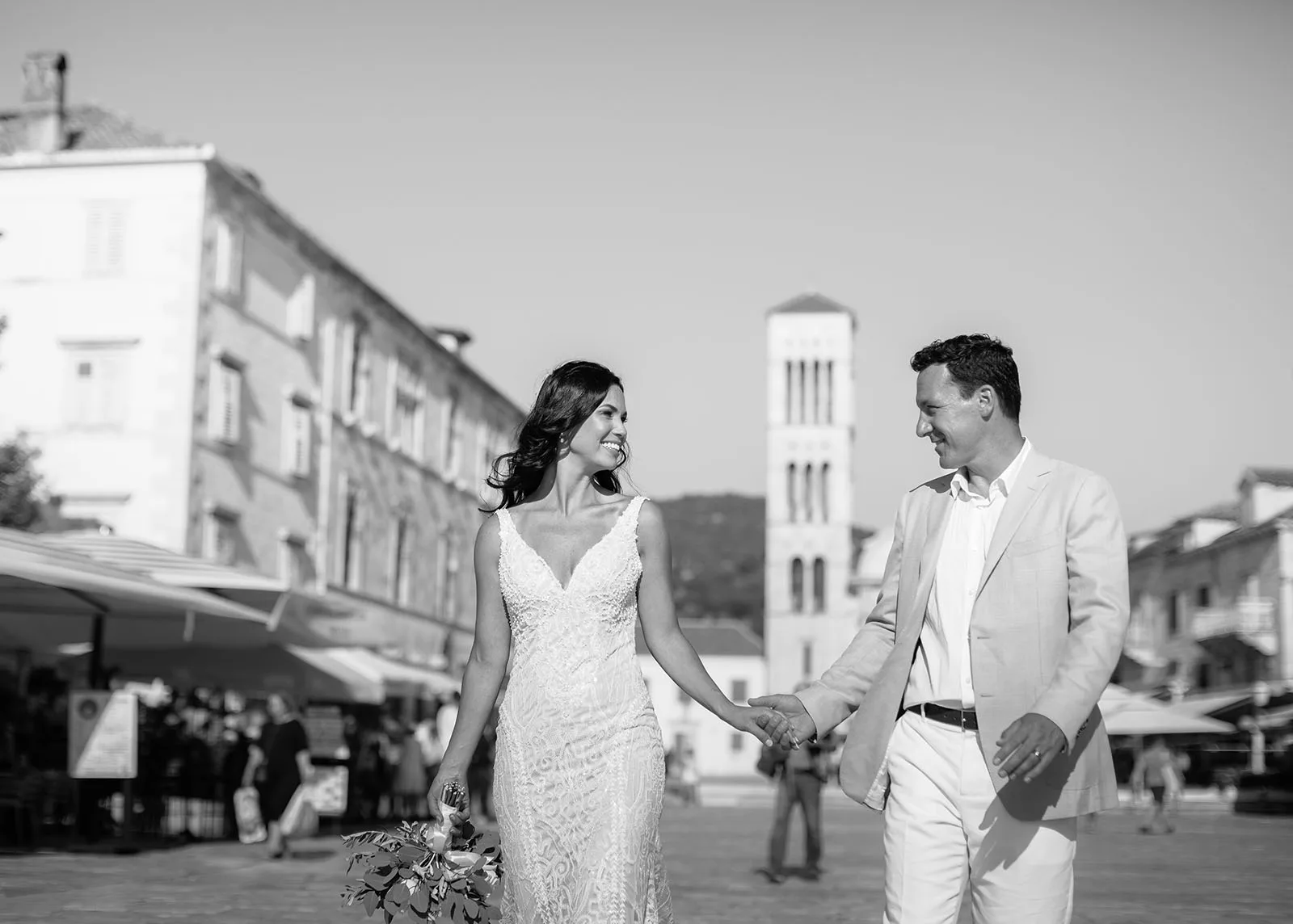
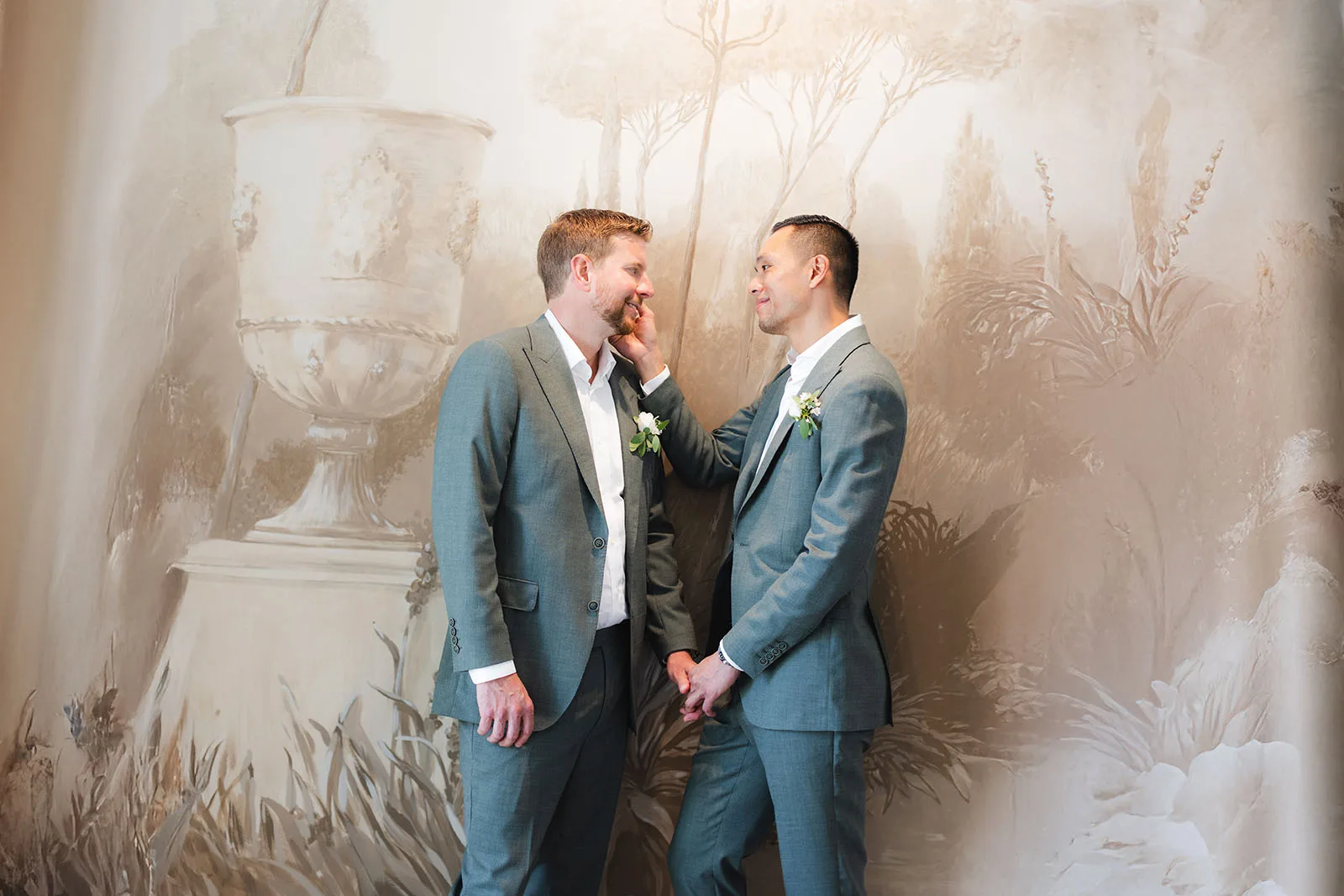
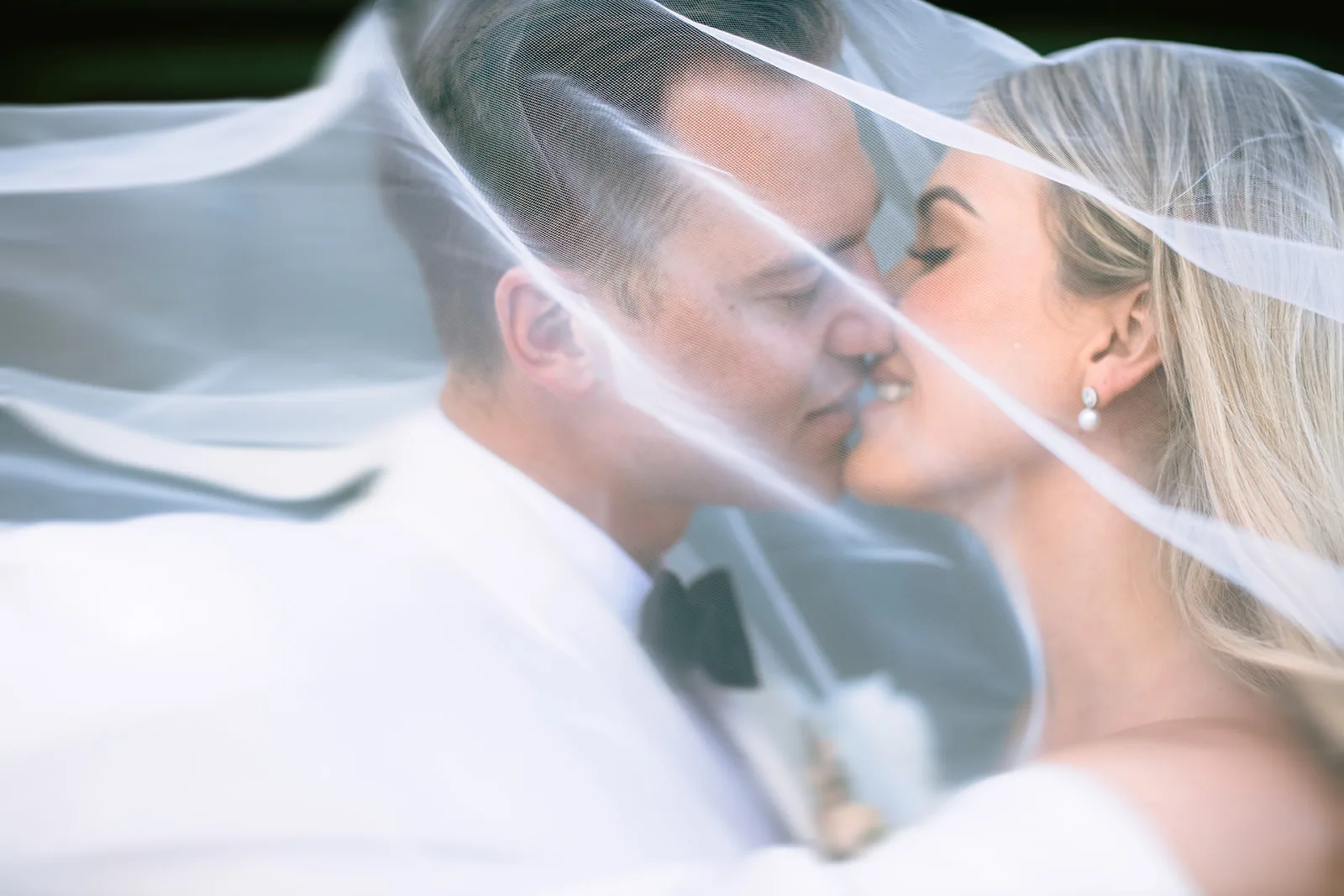
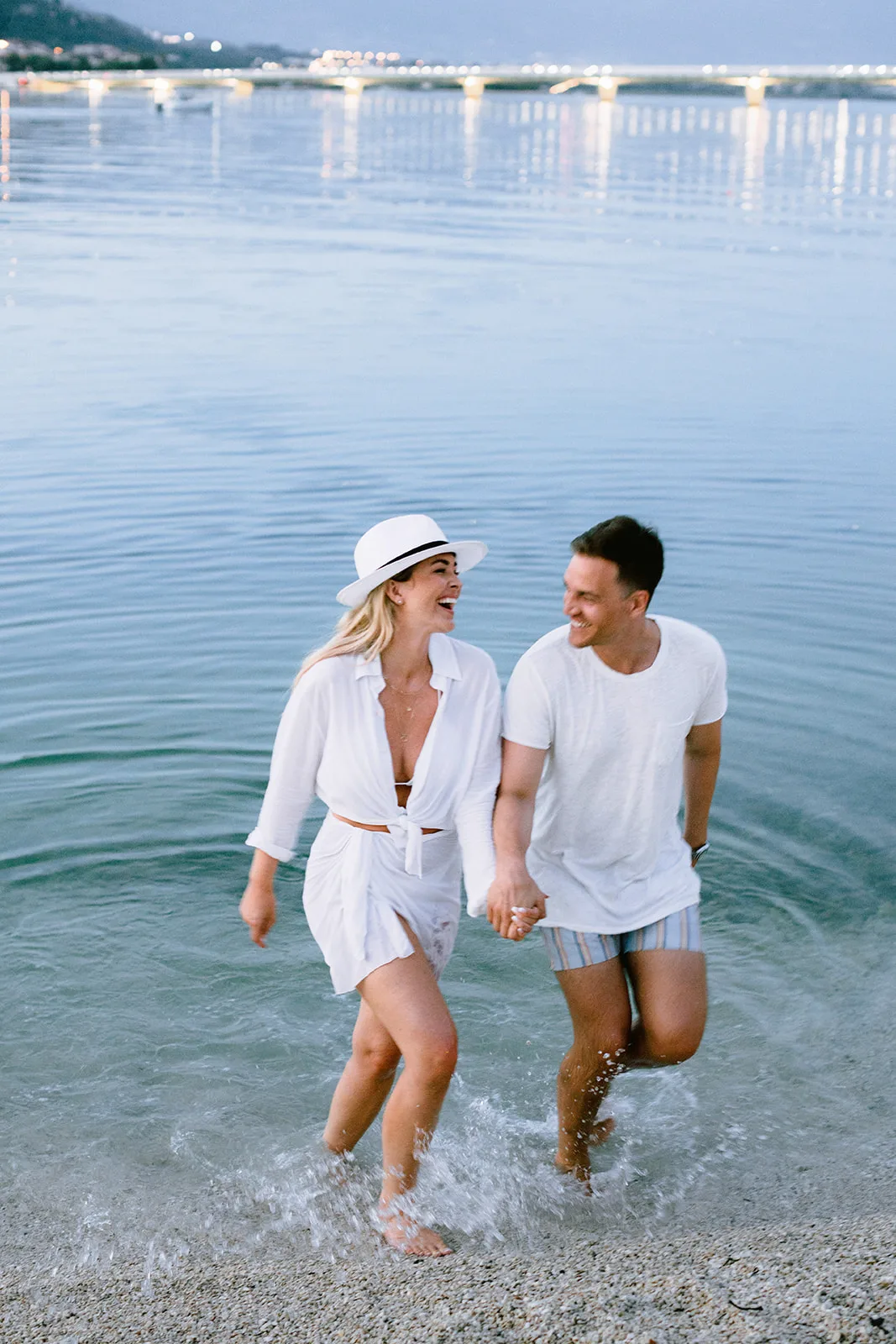
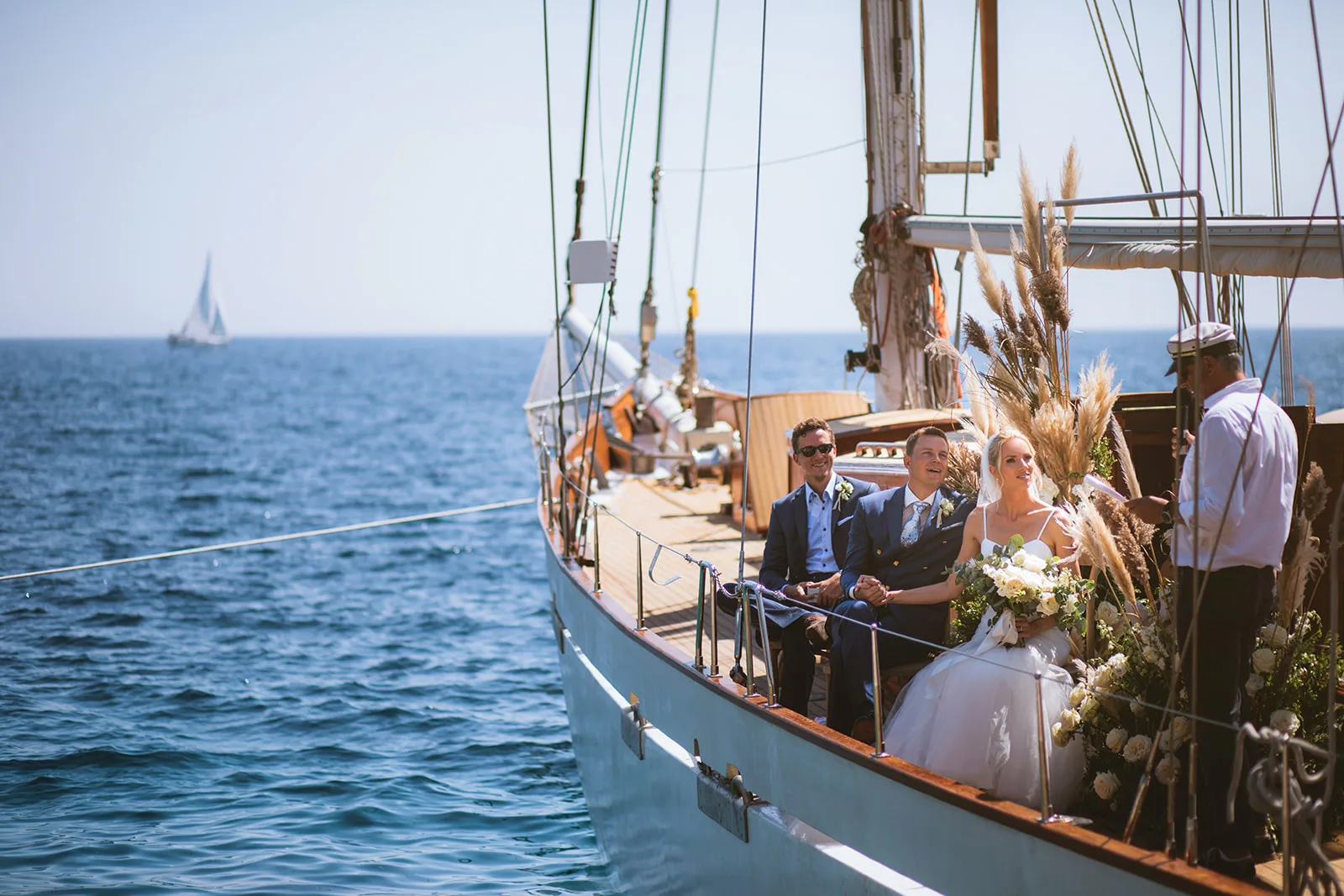
Draft the constitution for a temporary republic, anchoring your guests in the finest coastal venues and historic stone of the Adriatic.
THE ARCHITECTURE OF A TEMPORARY MEDITERRANEAN WORLD
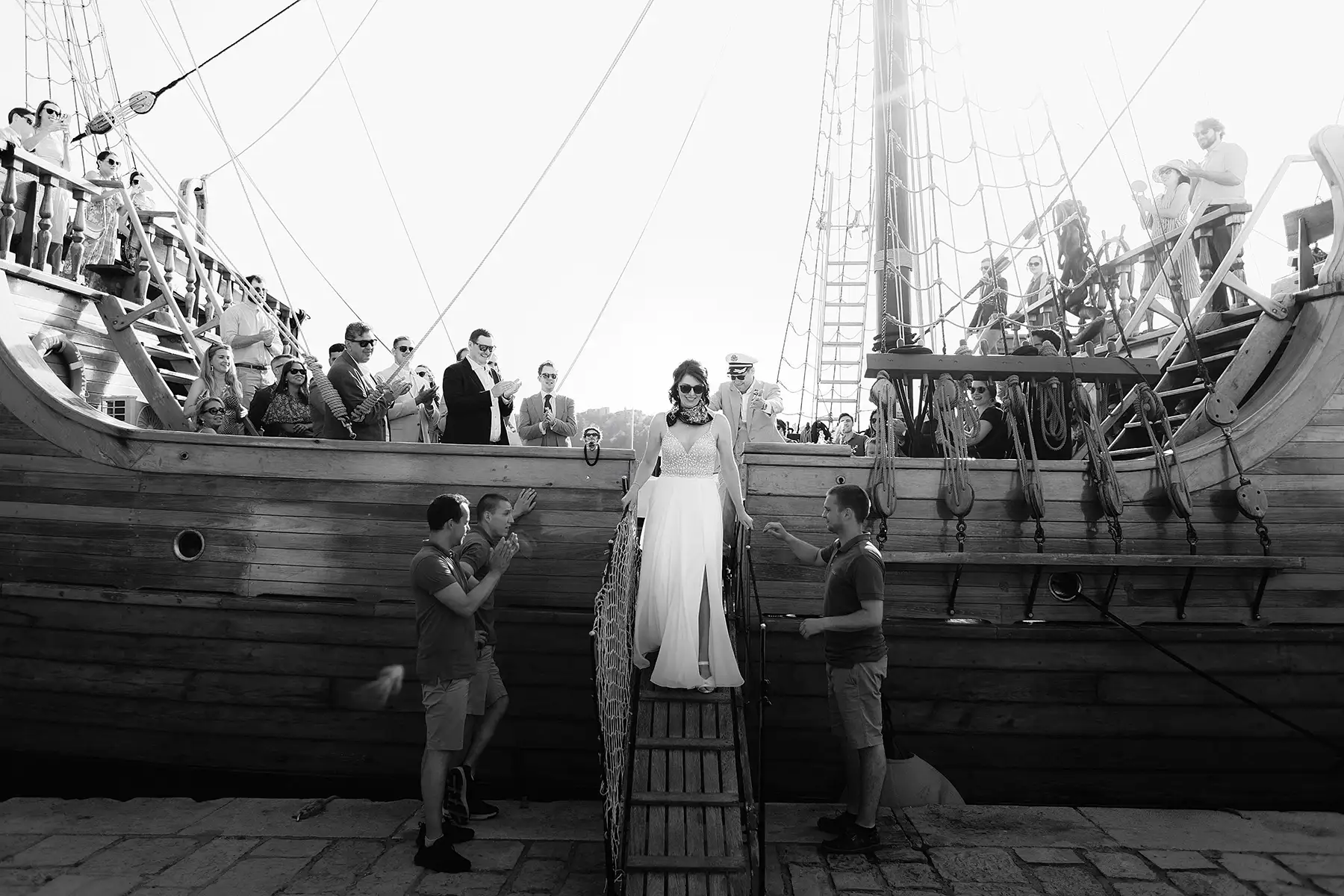
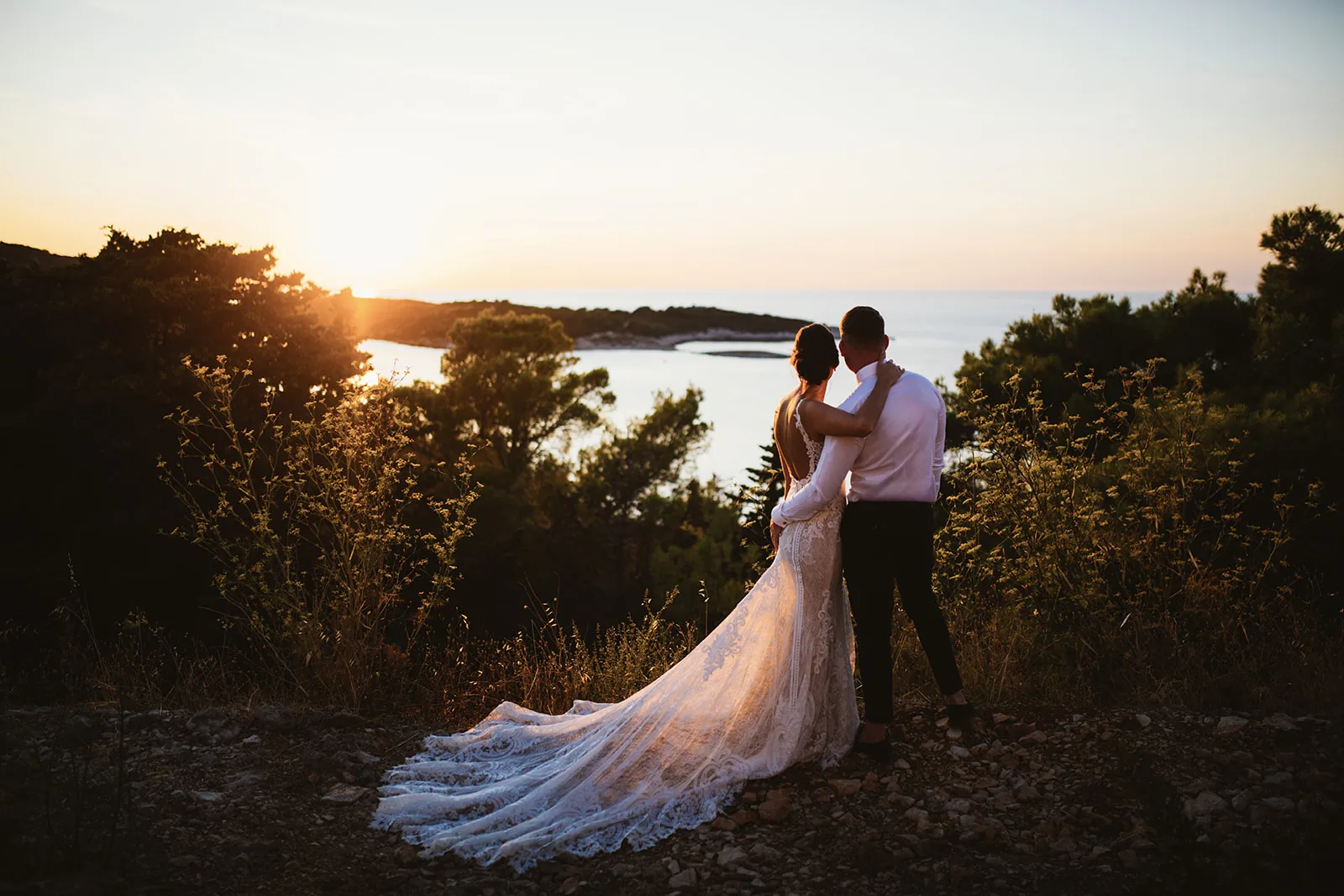
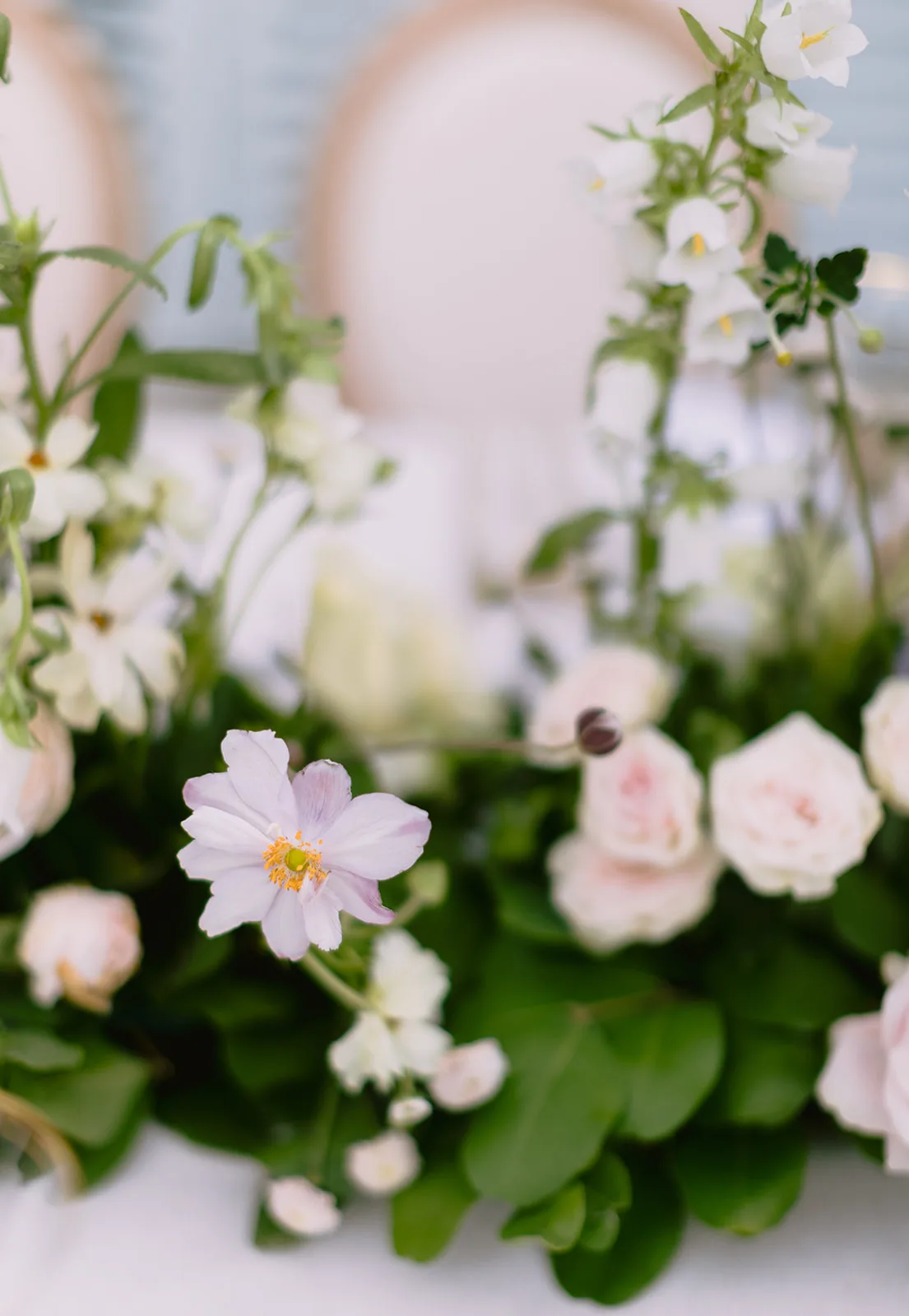
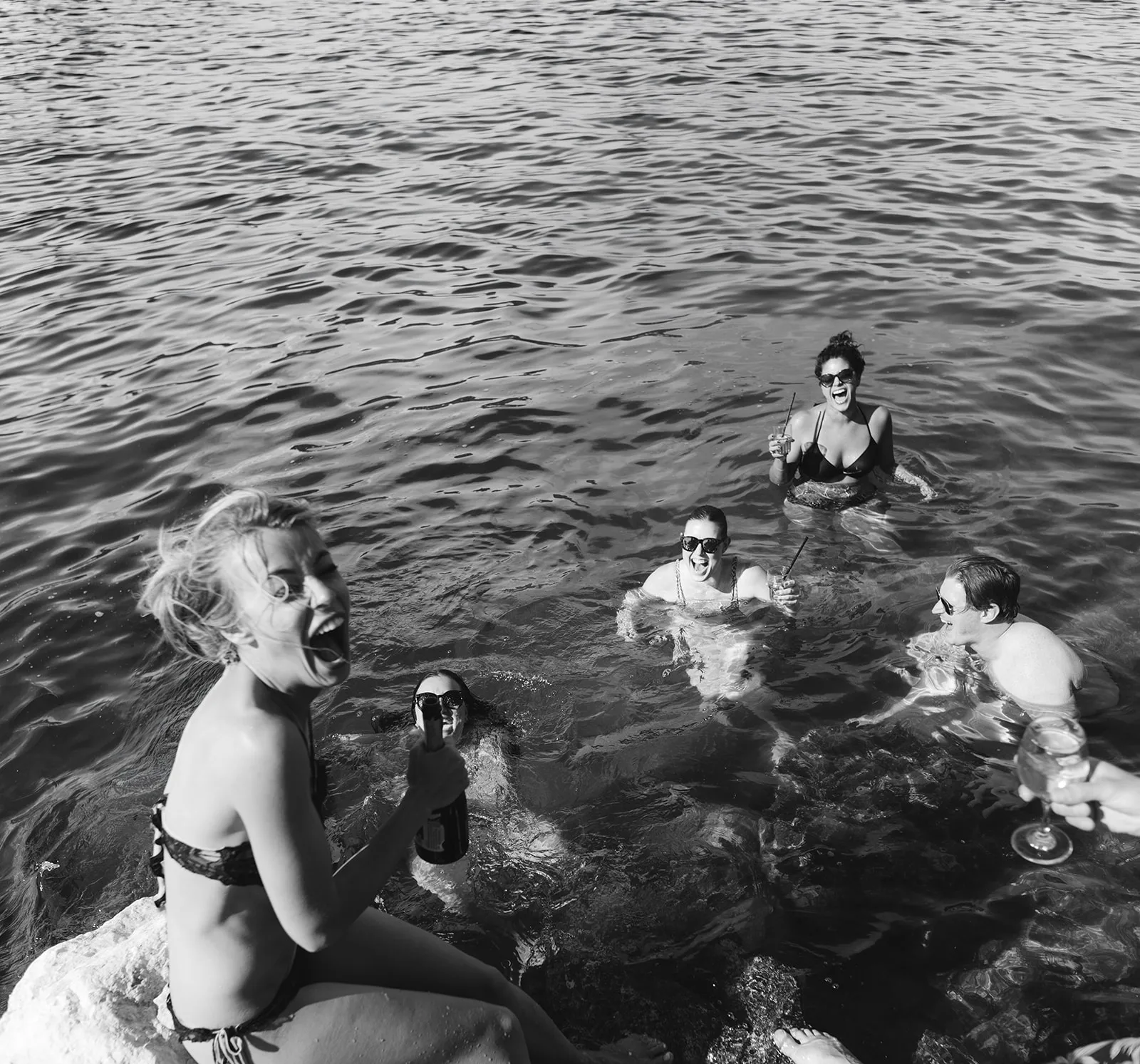
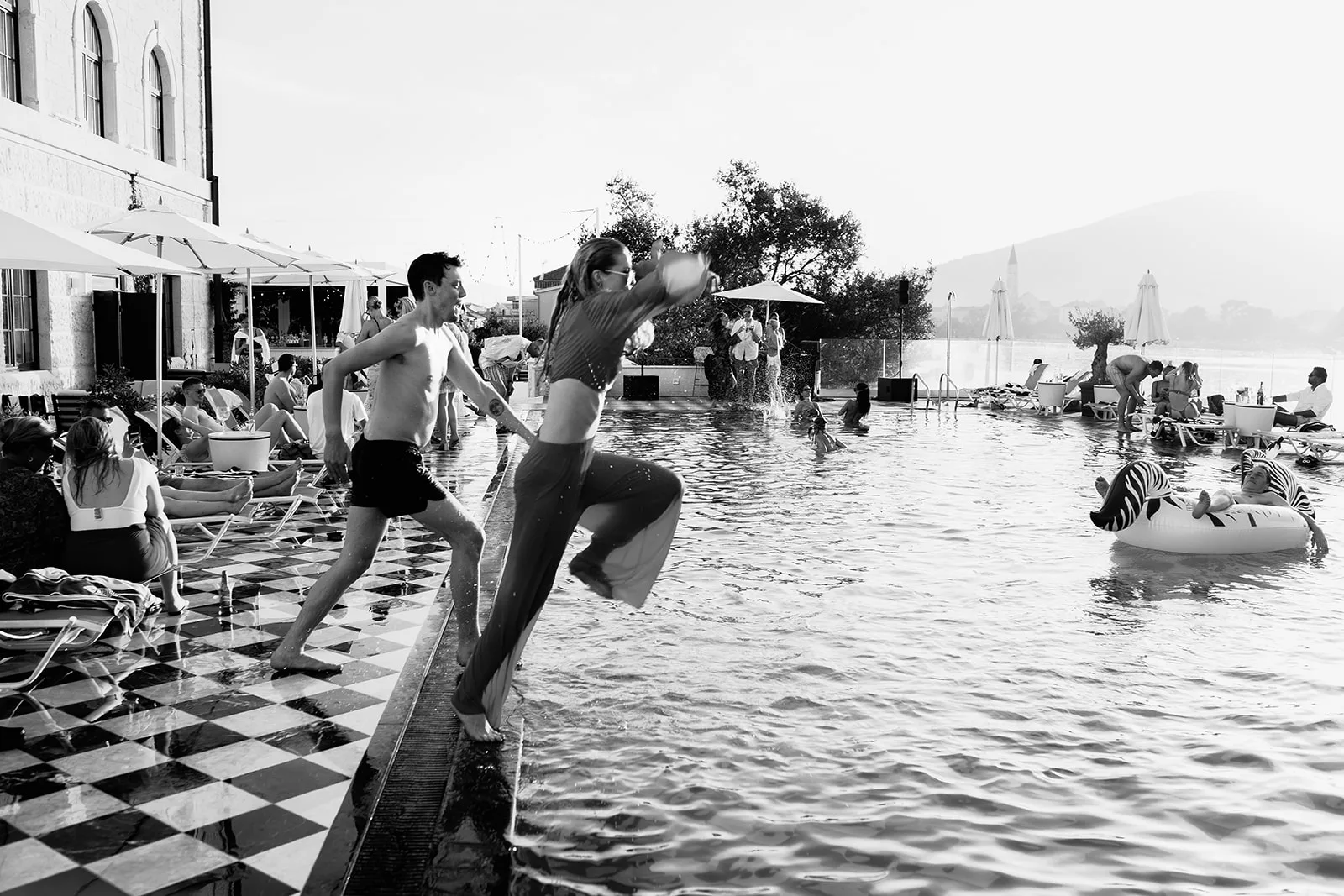
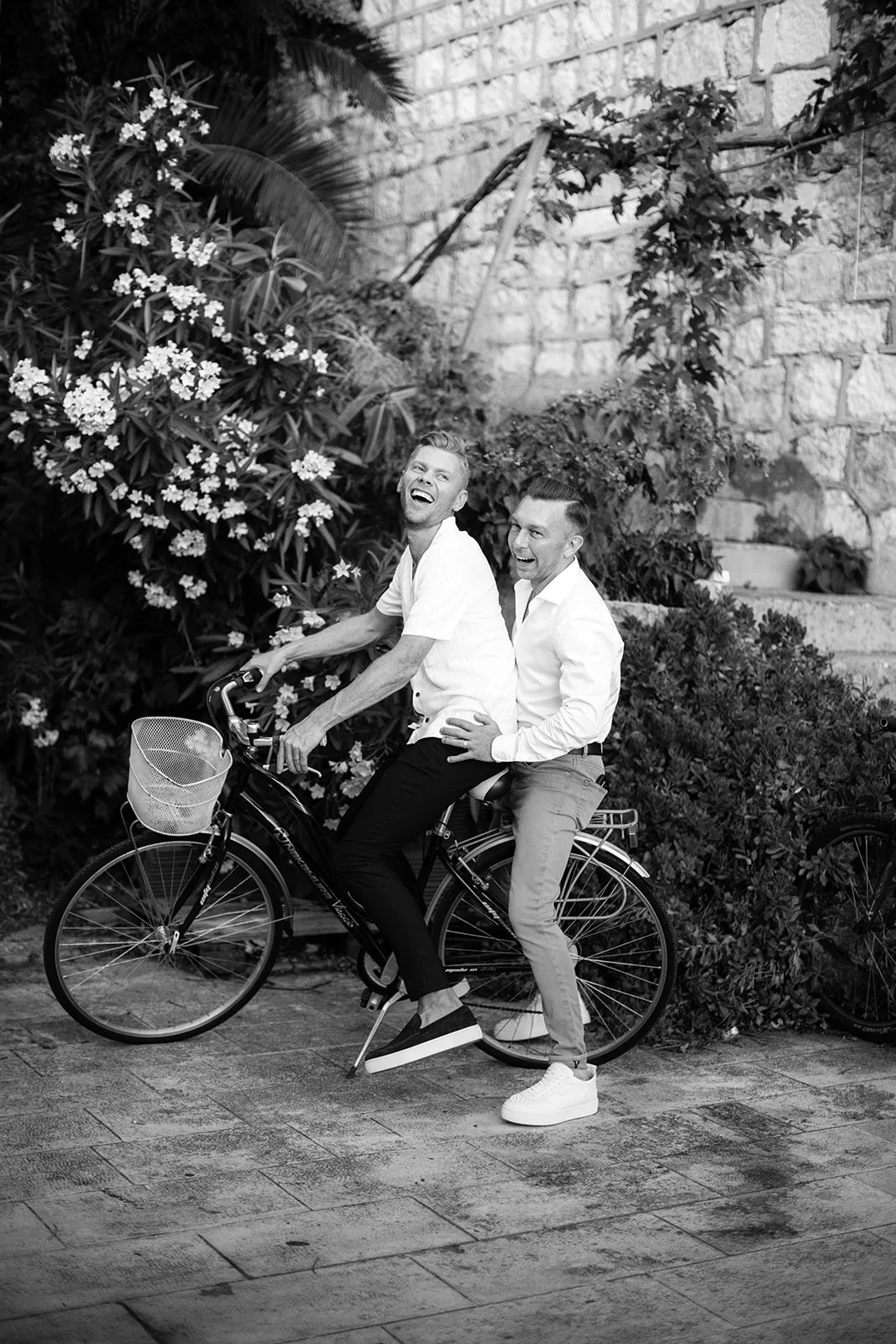
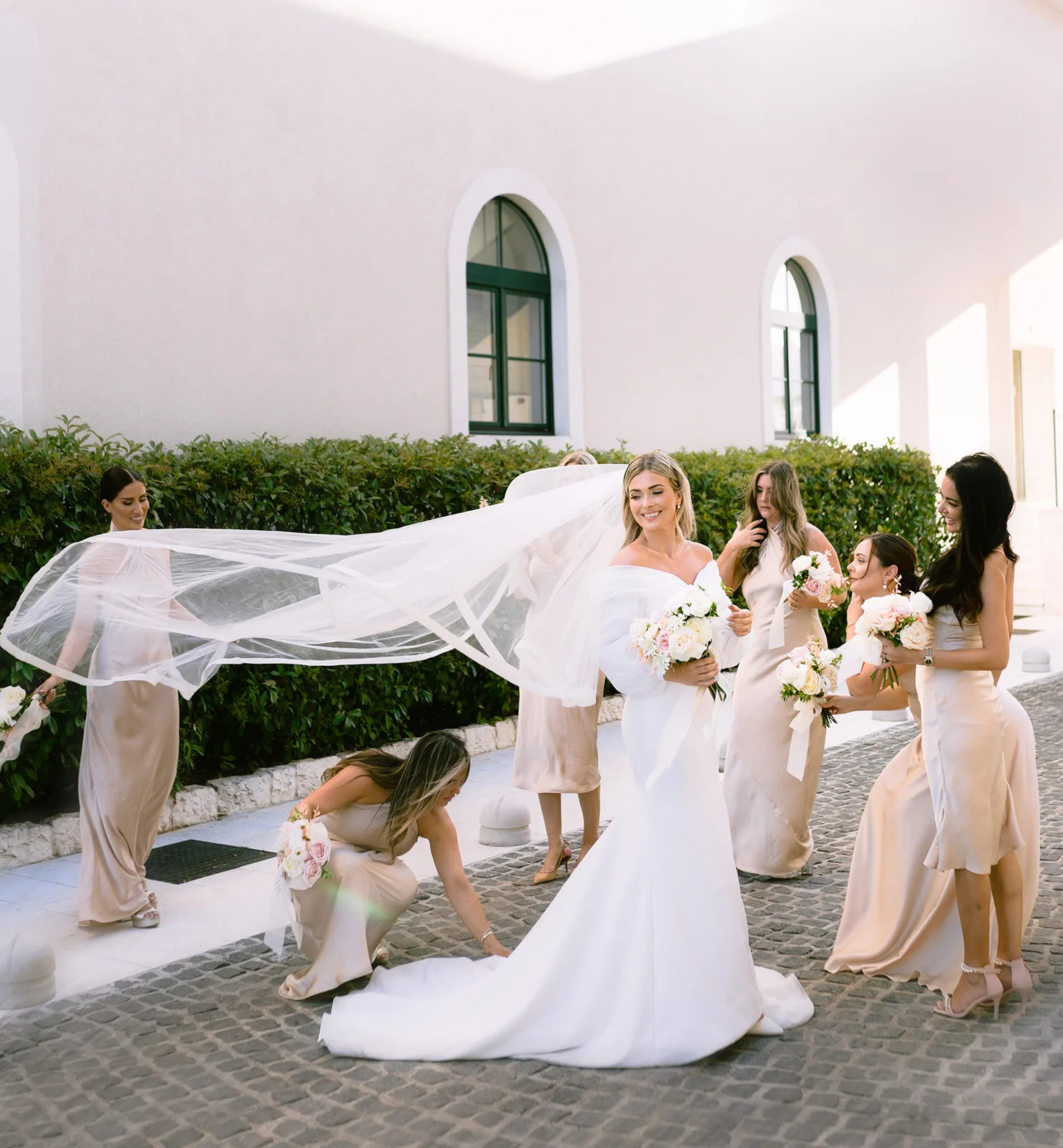
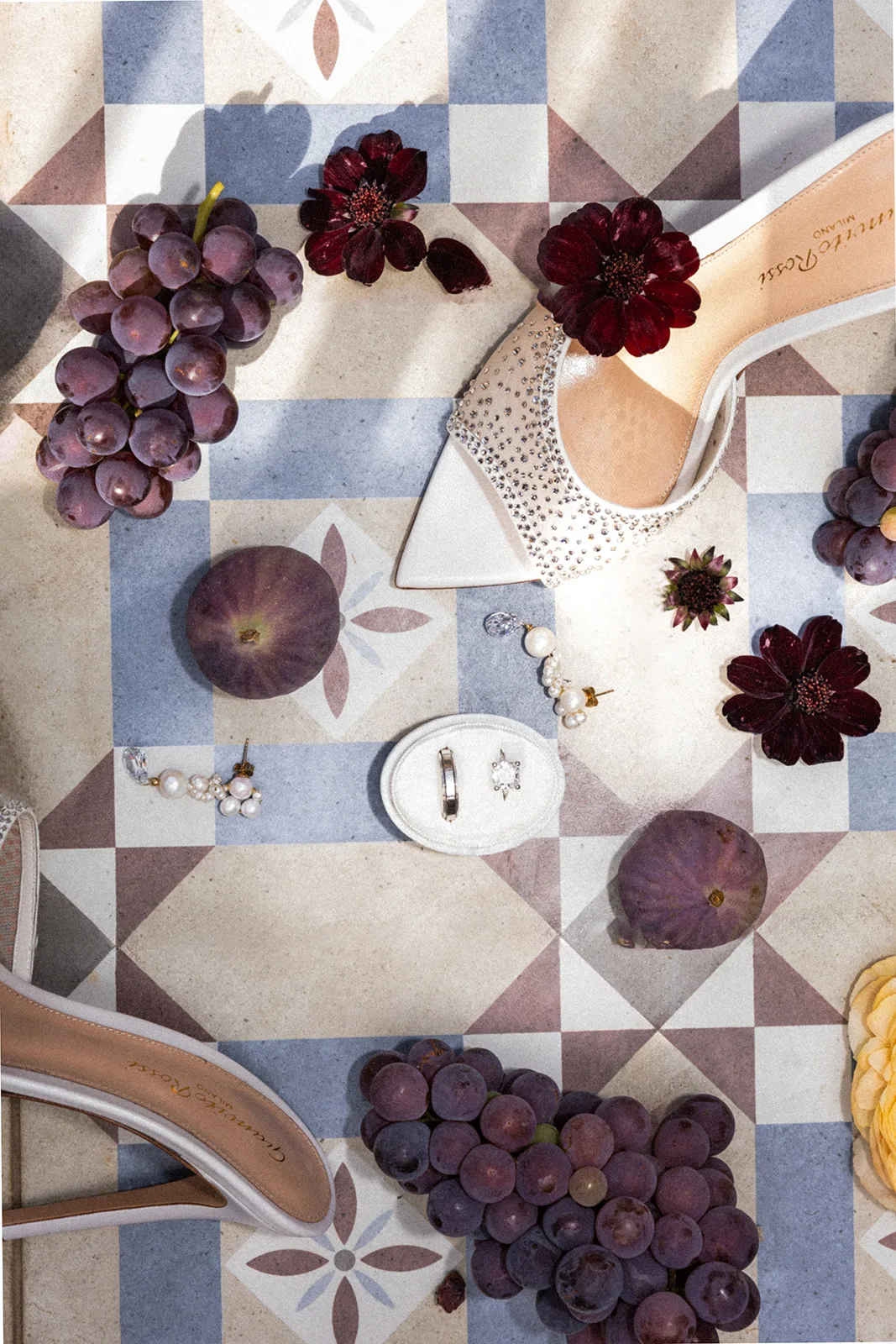
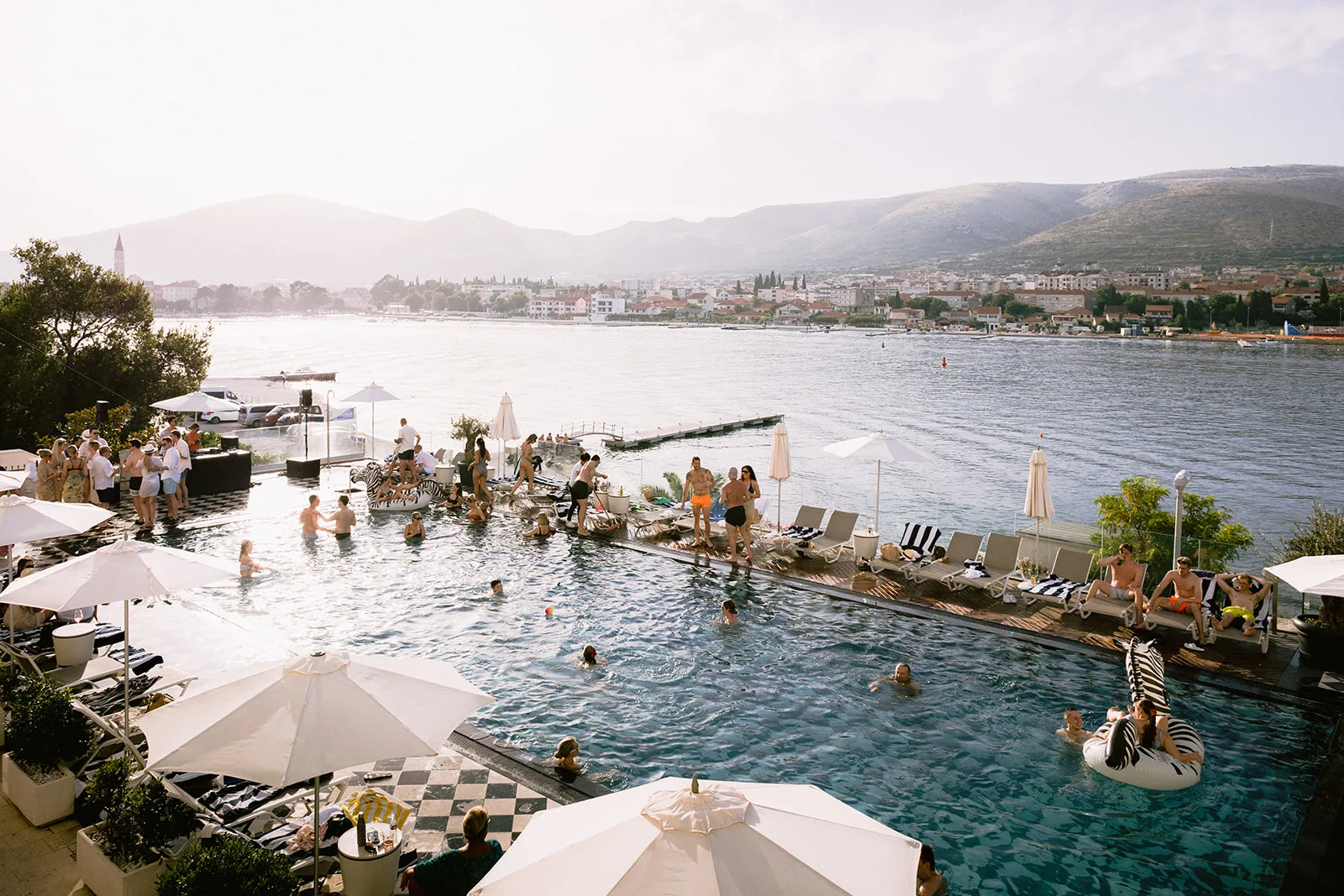
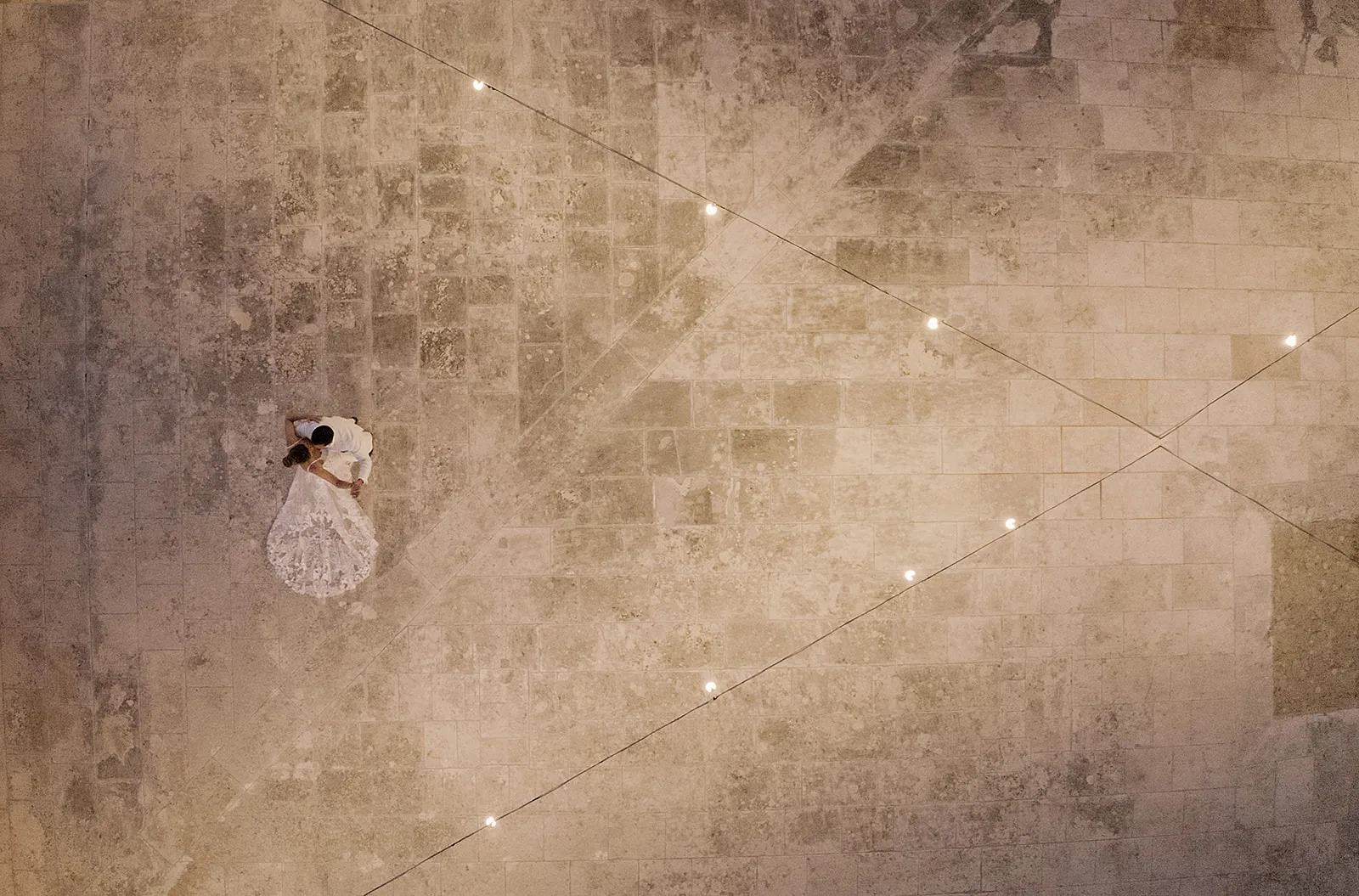
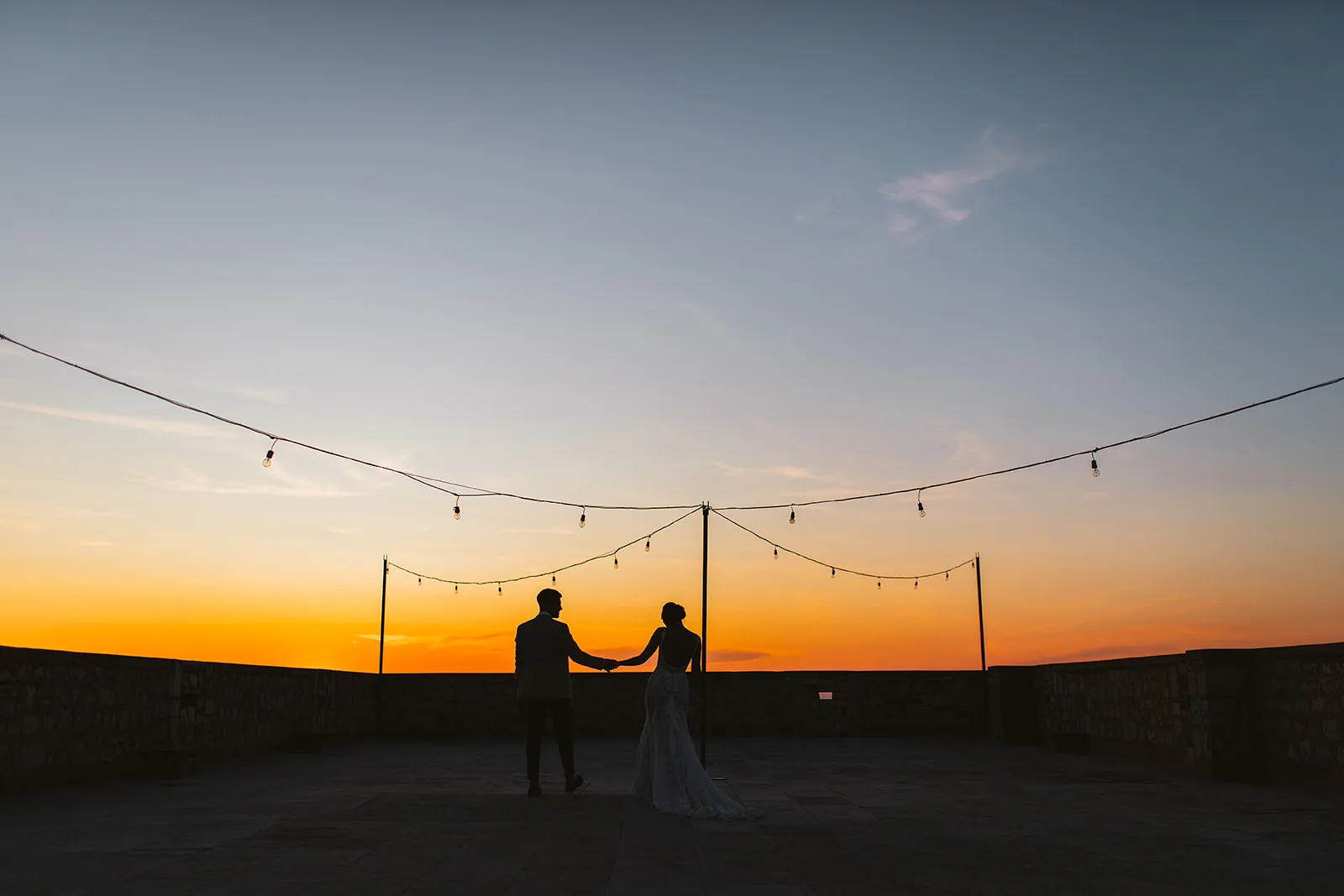
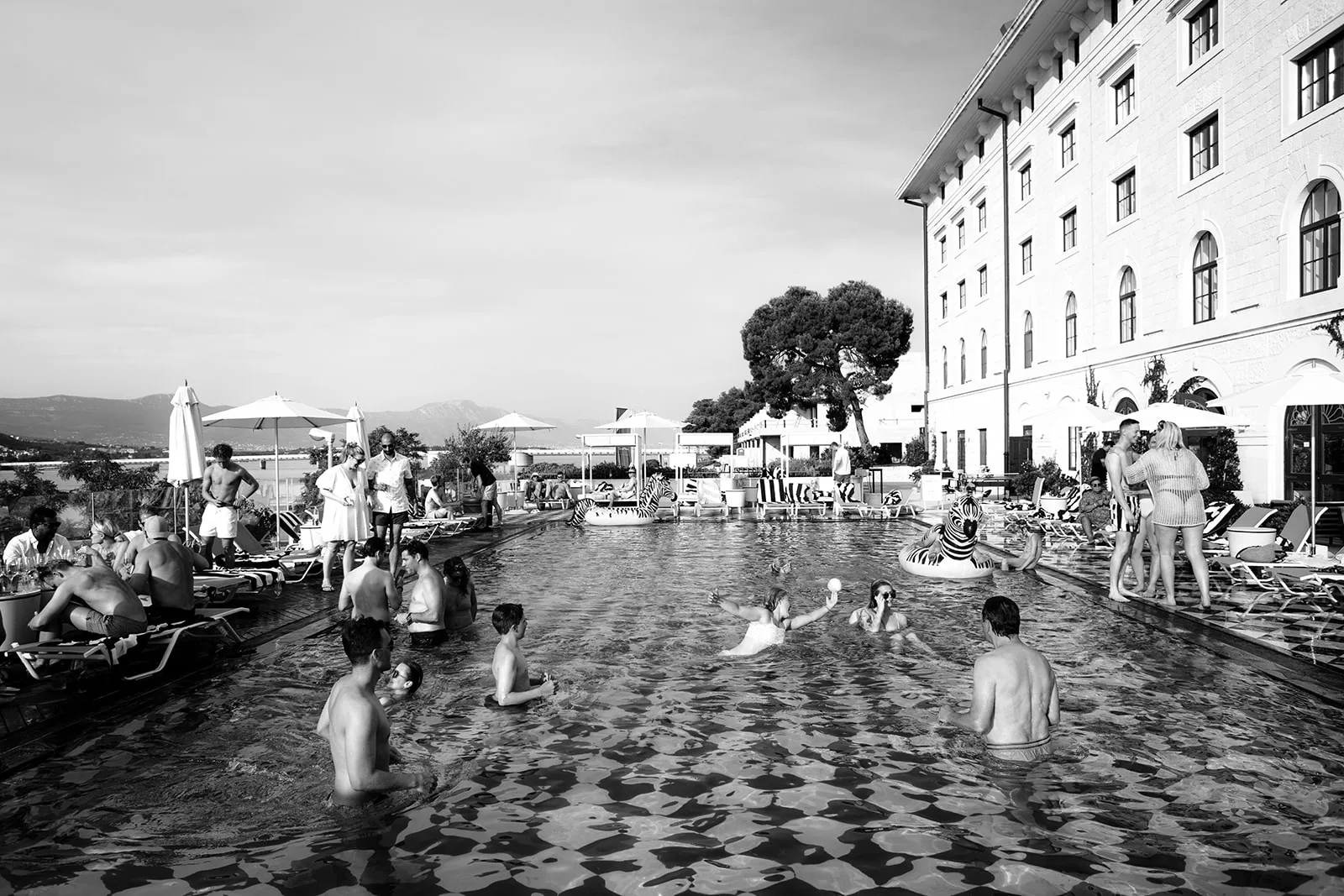
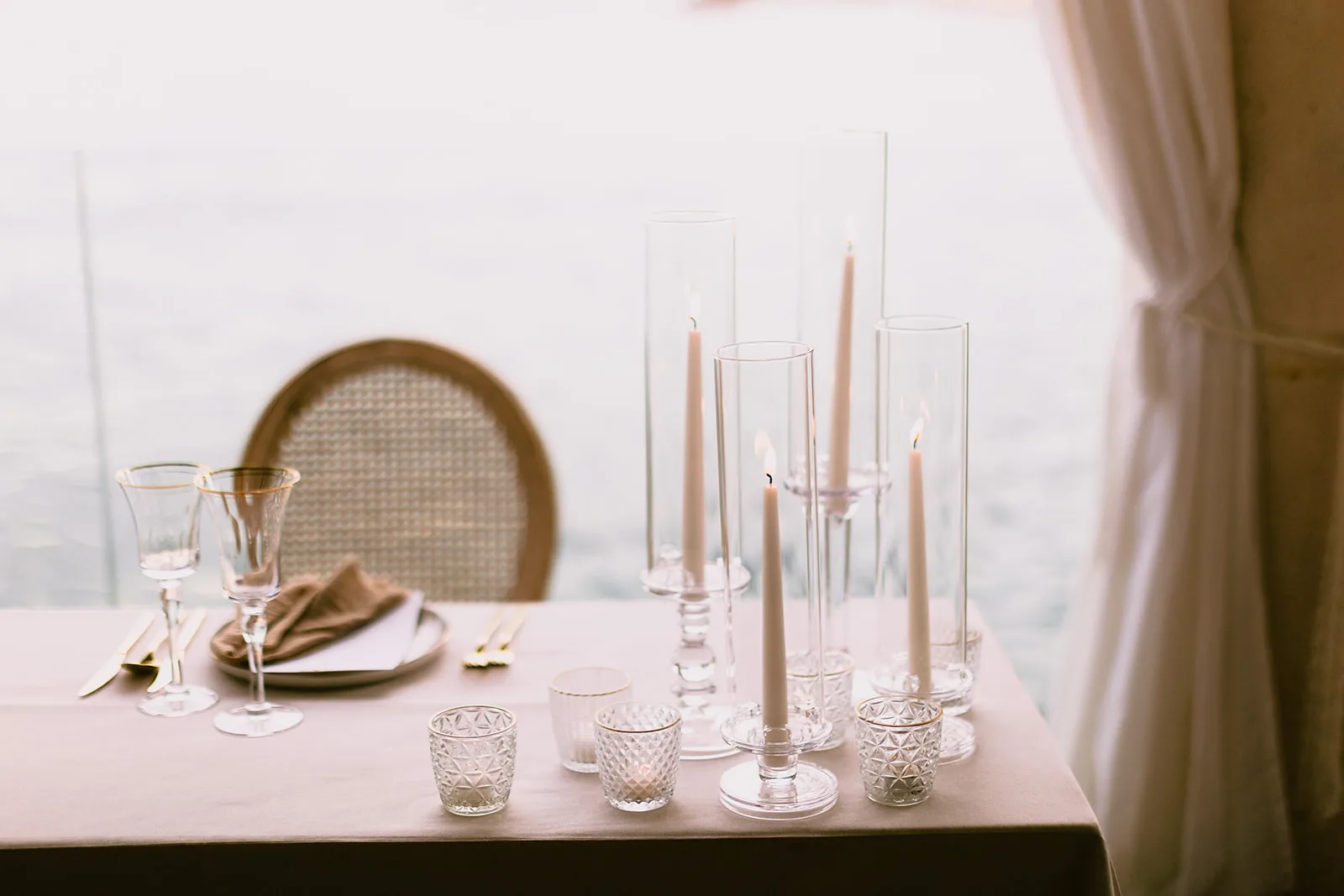
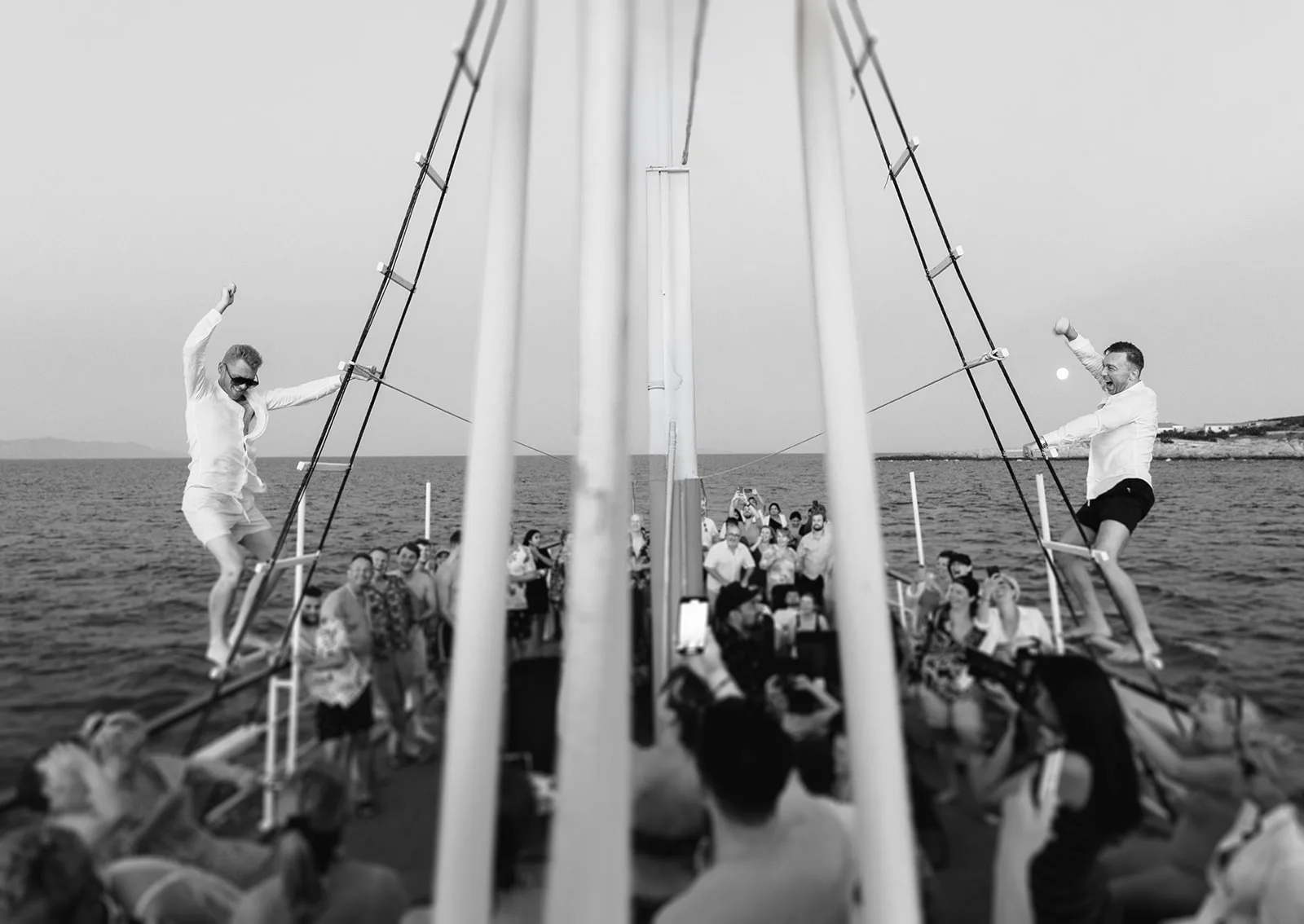
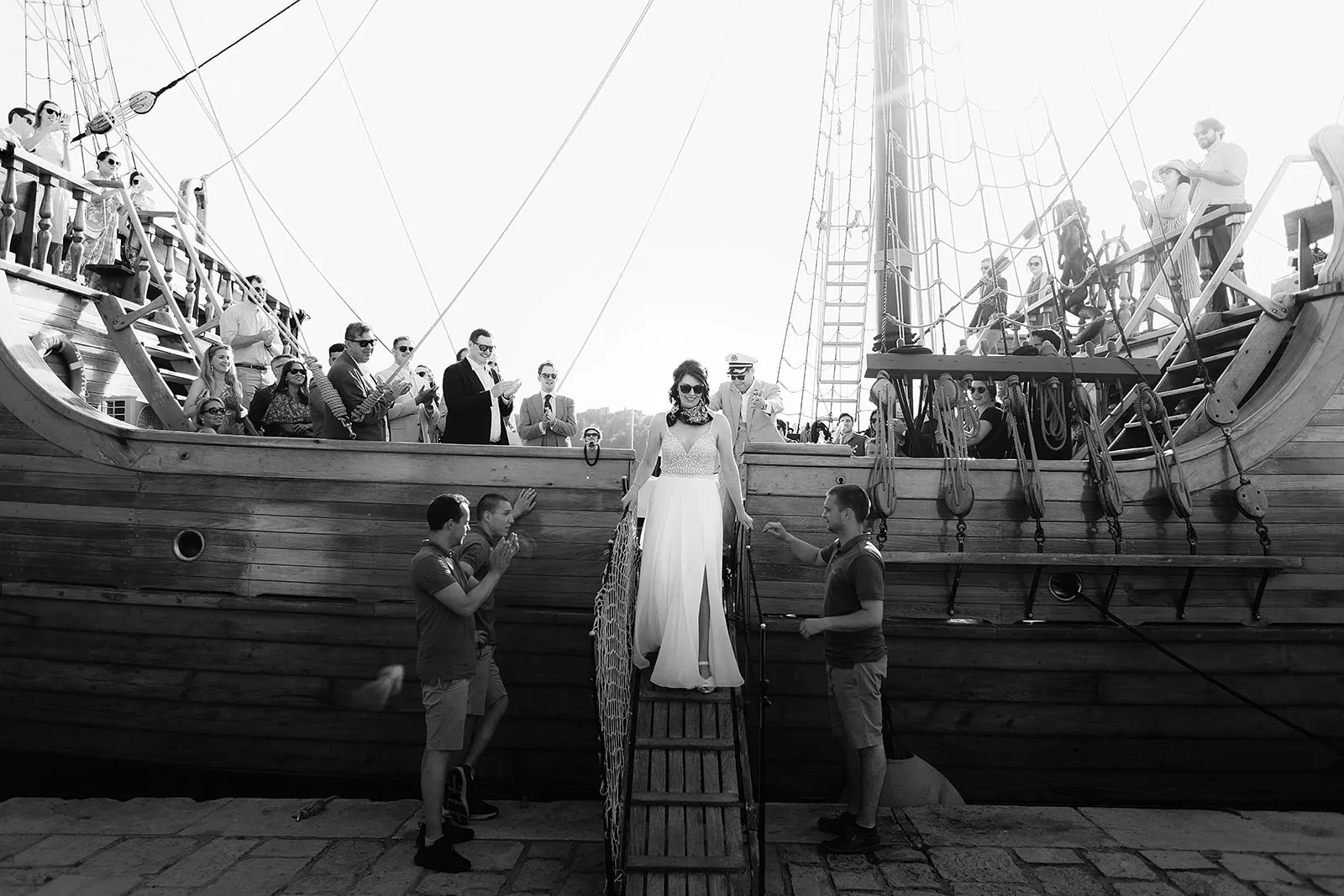
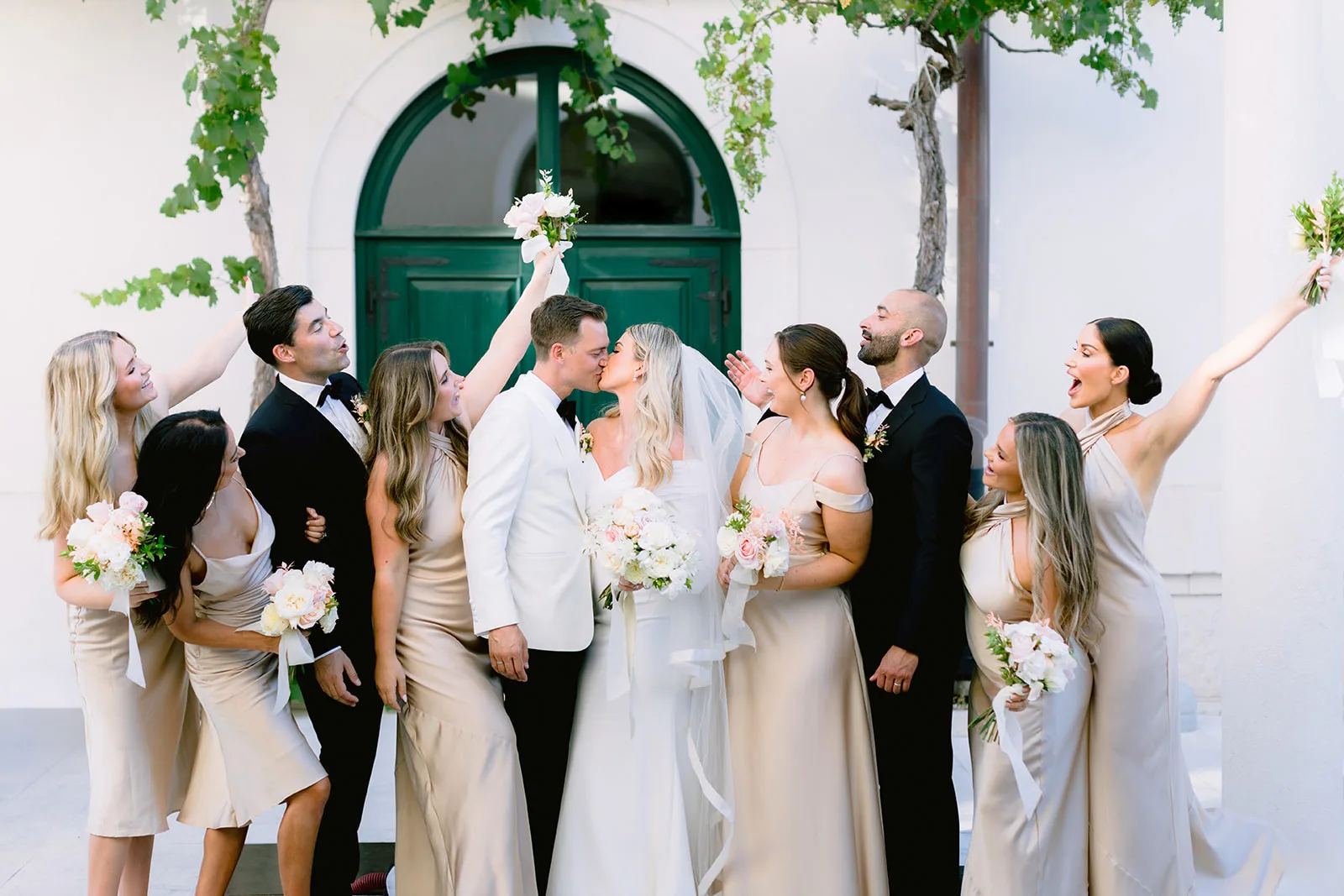
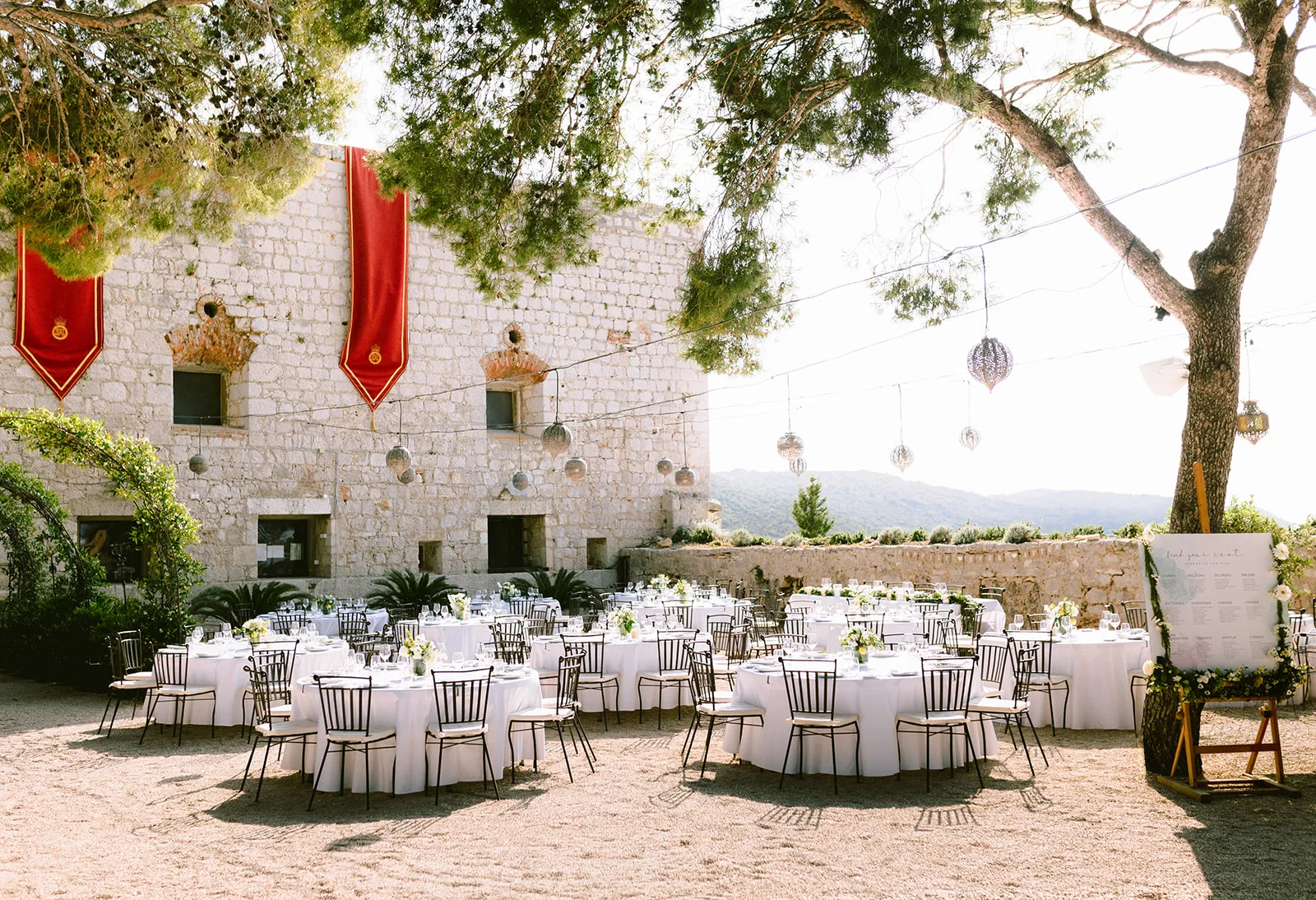
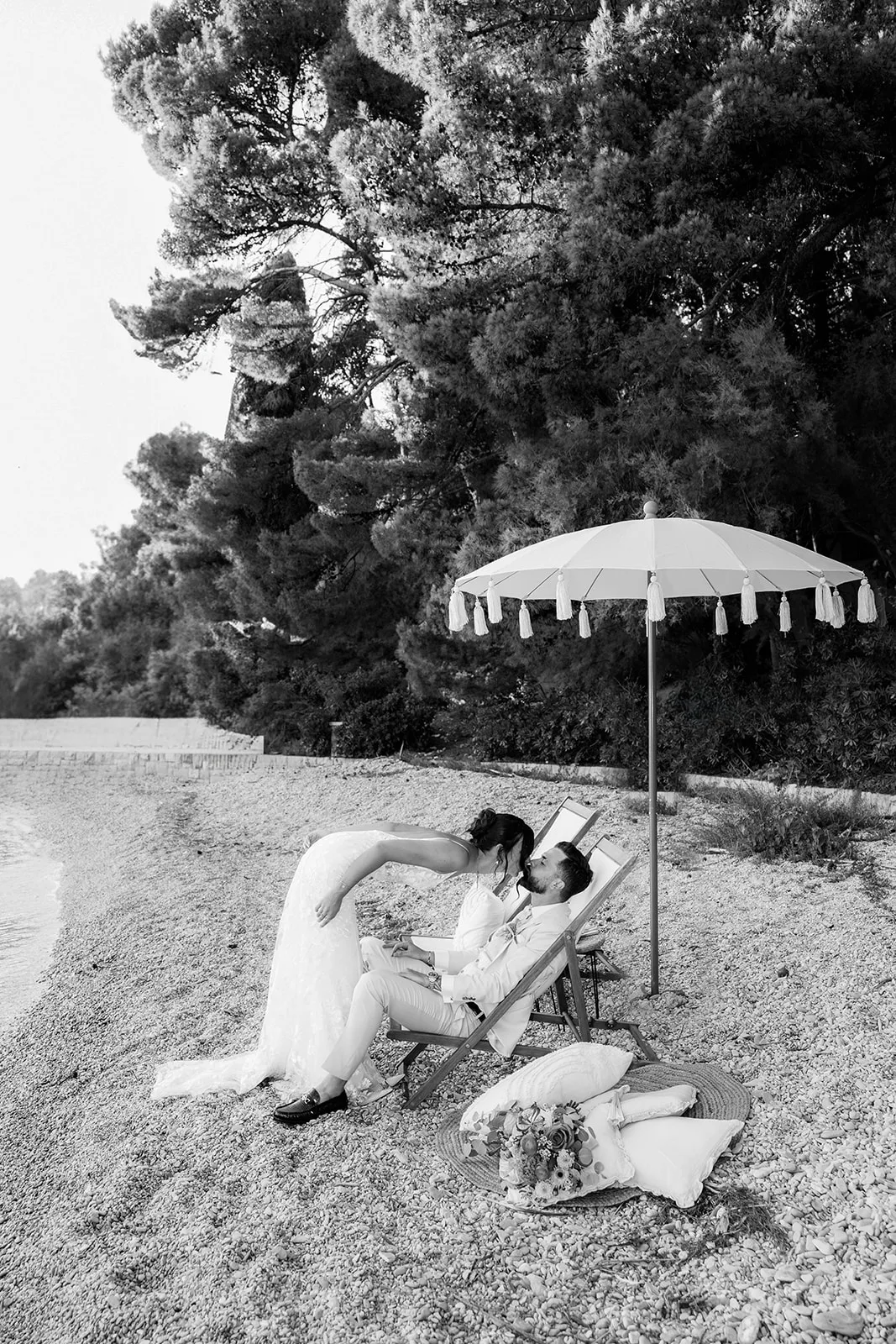
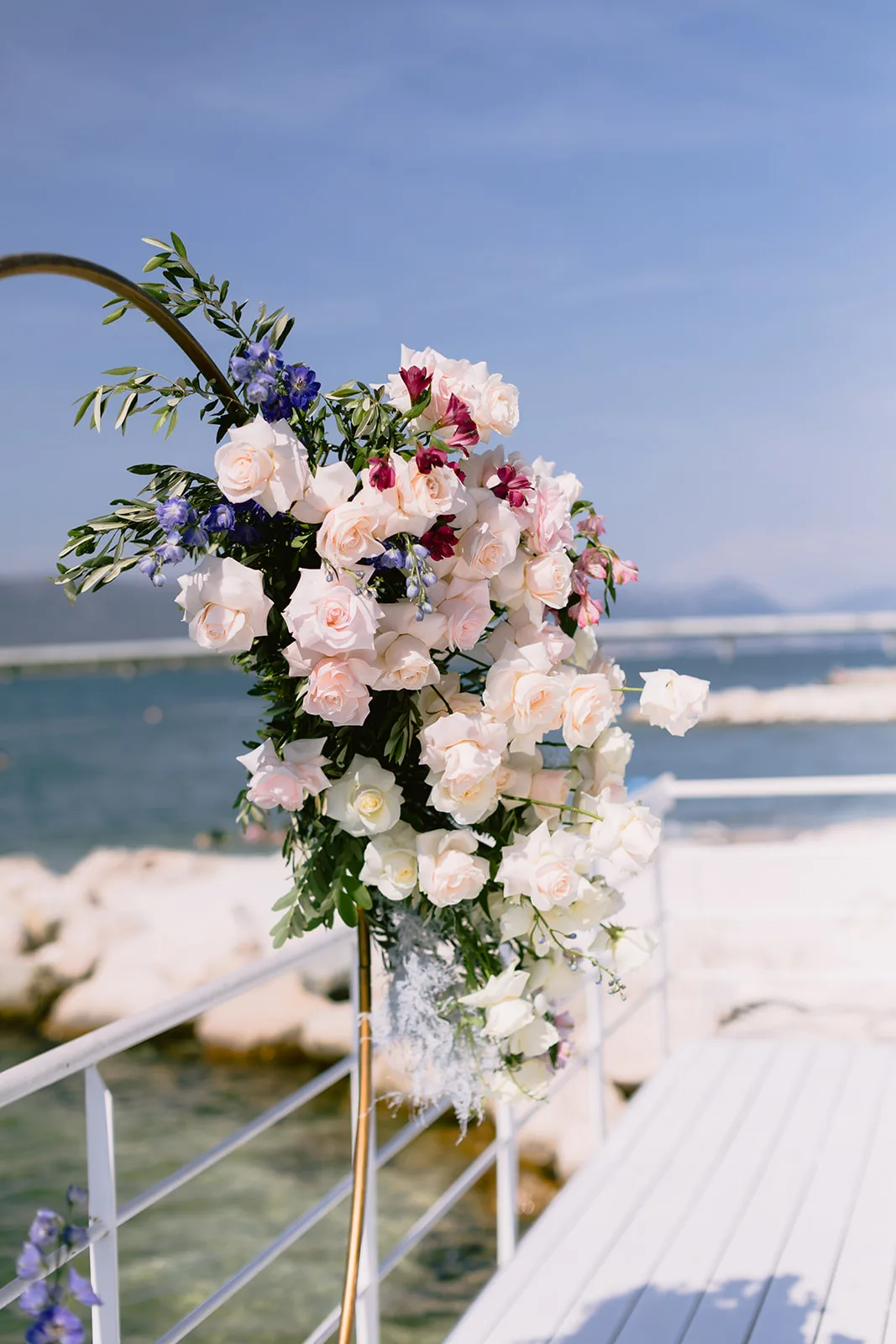
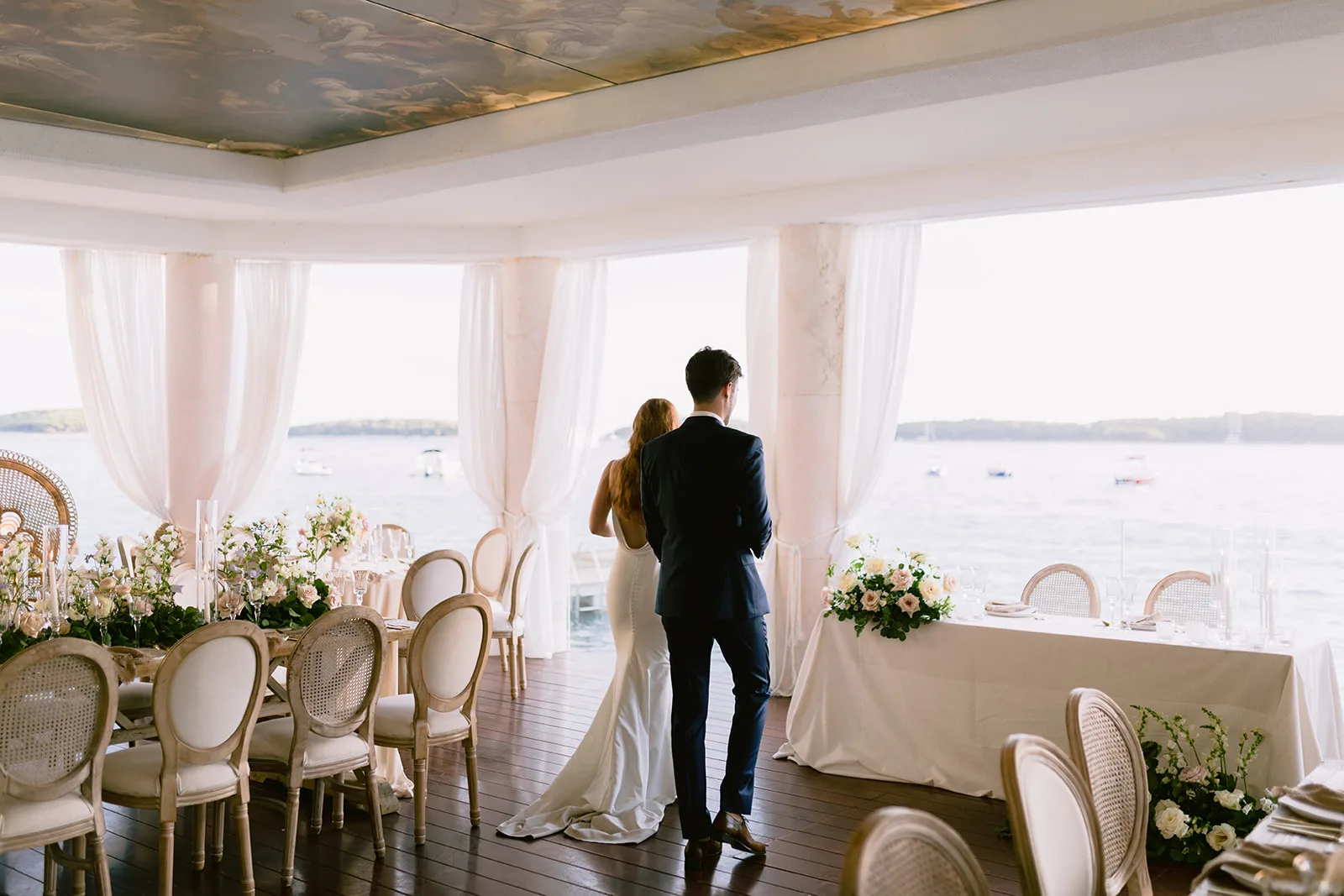
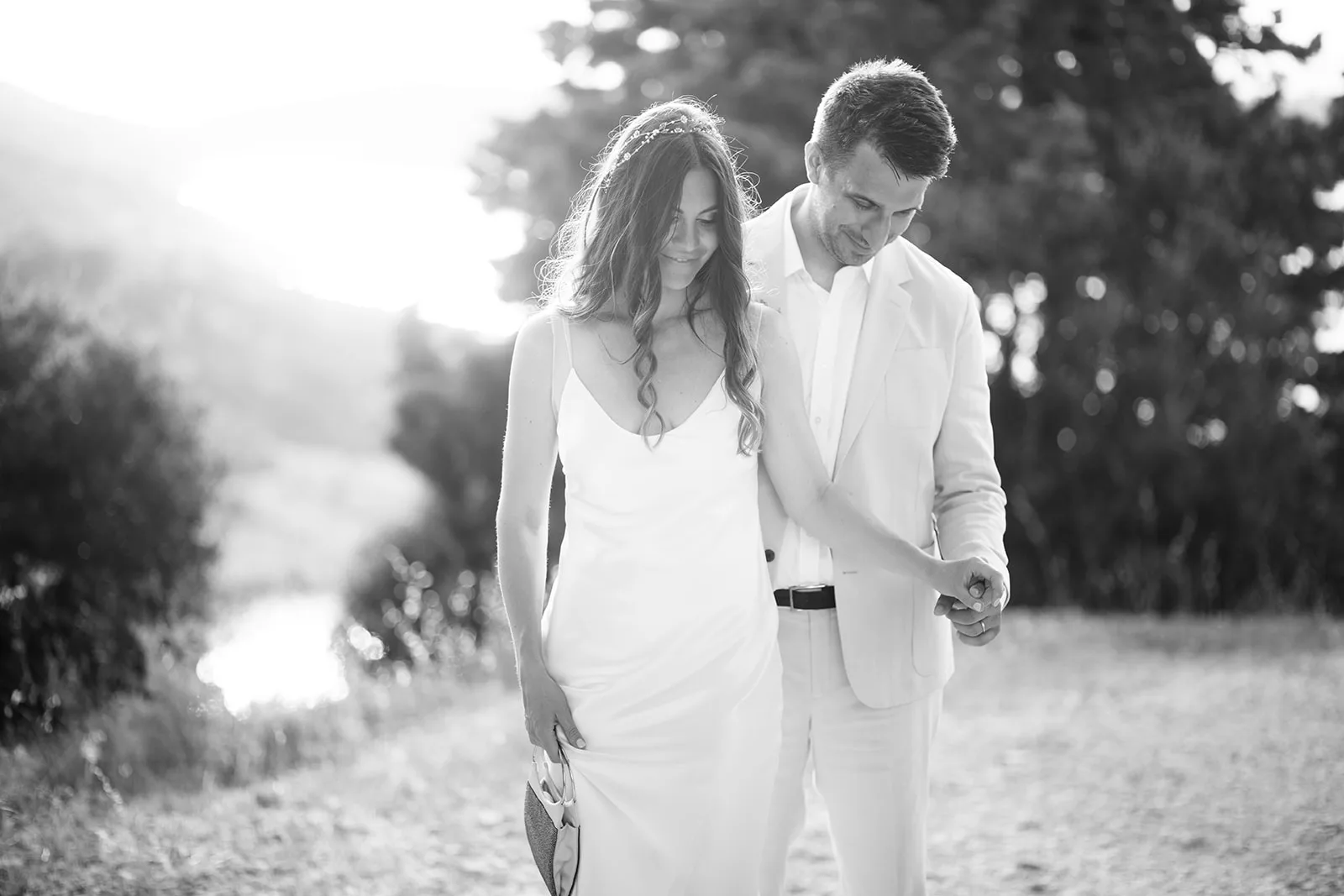
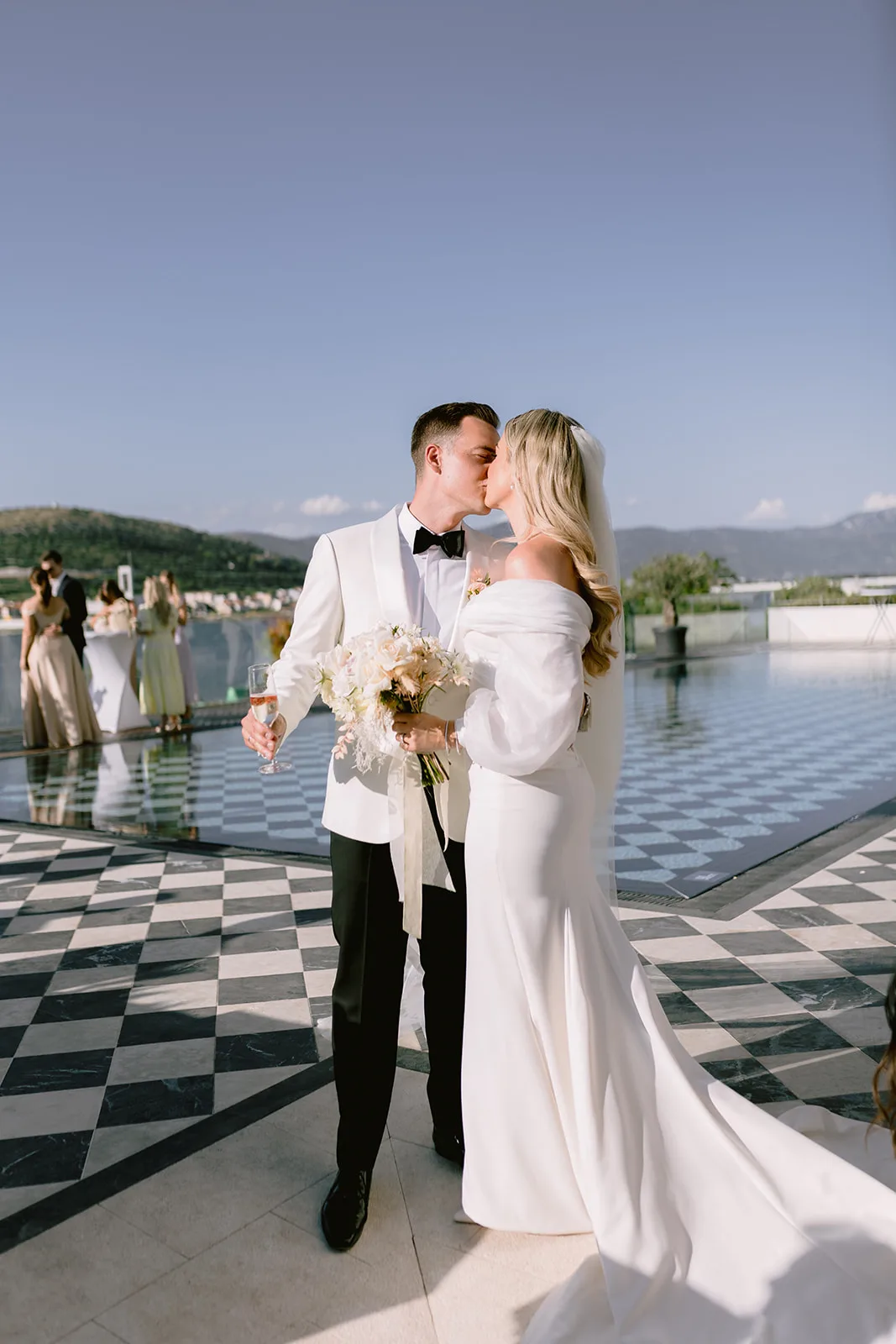
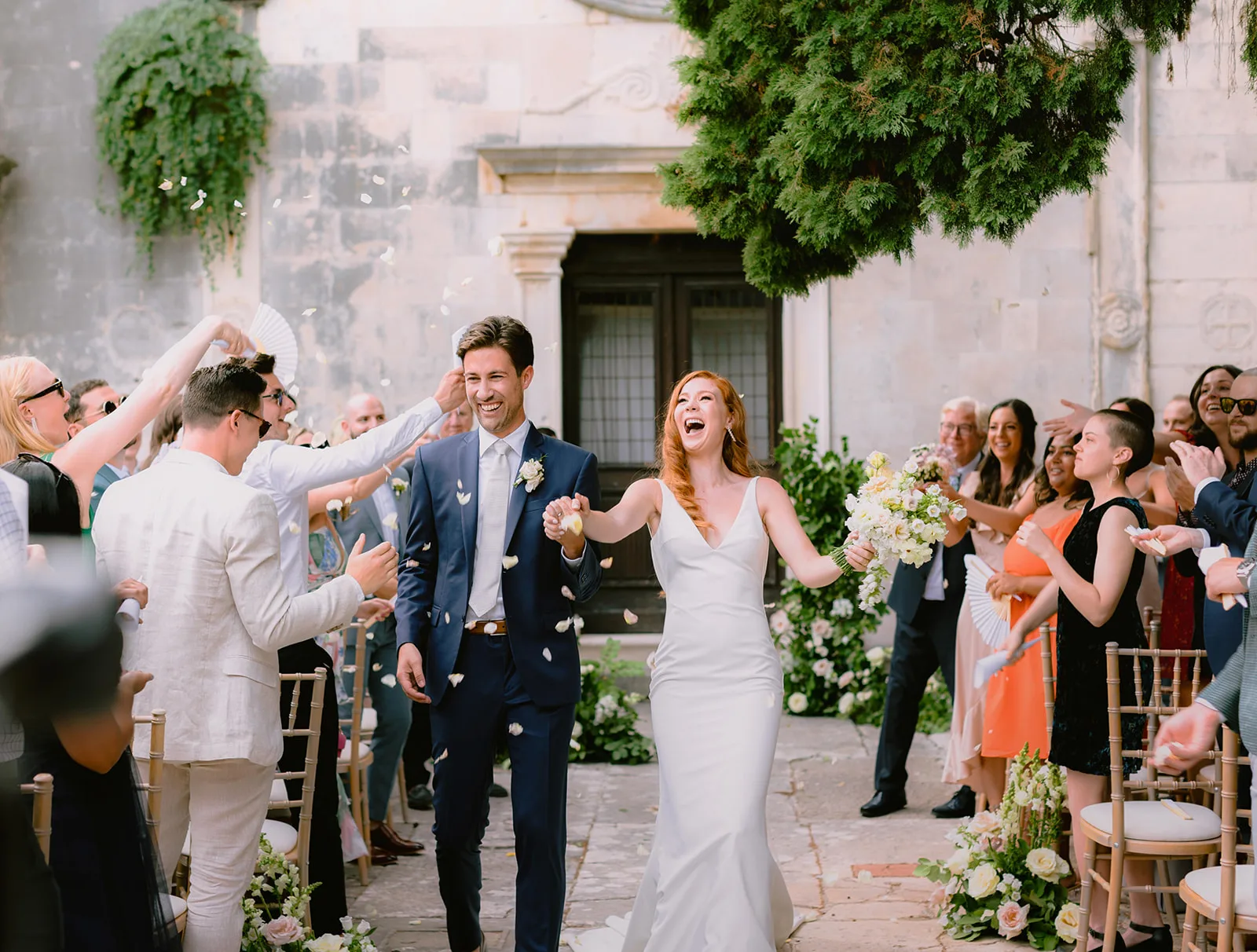
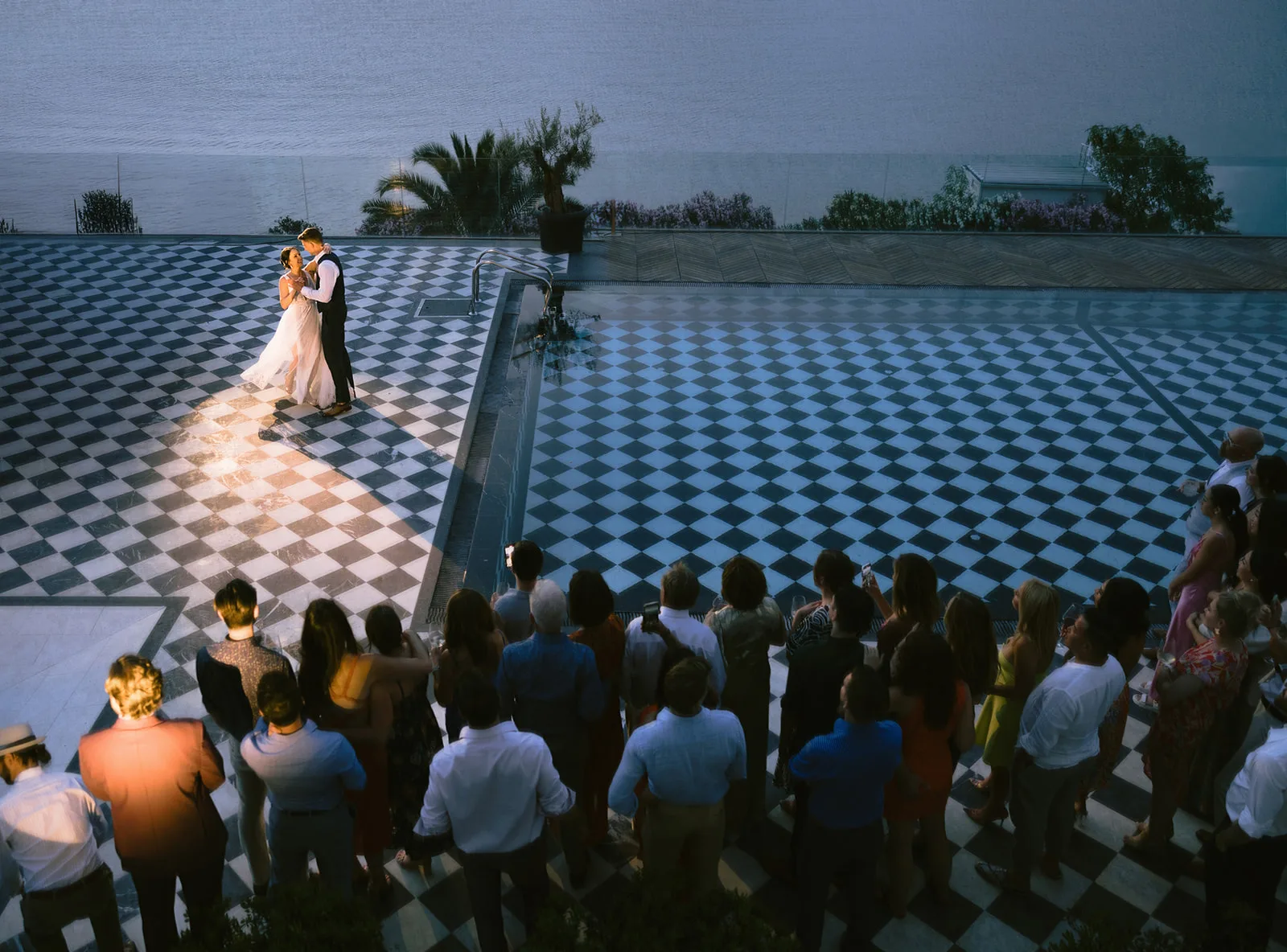
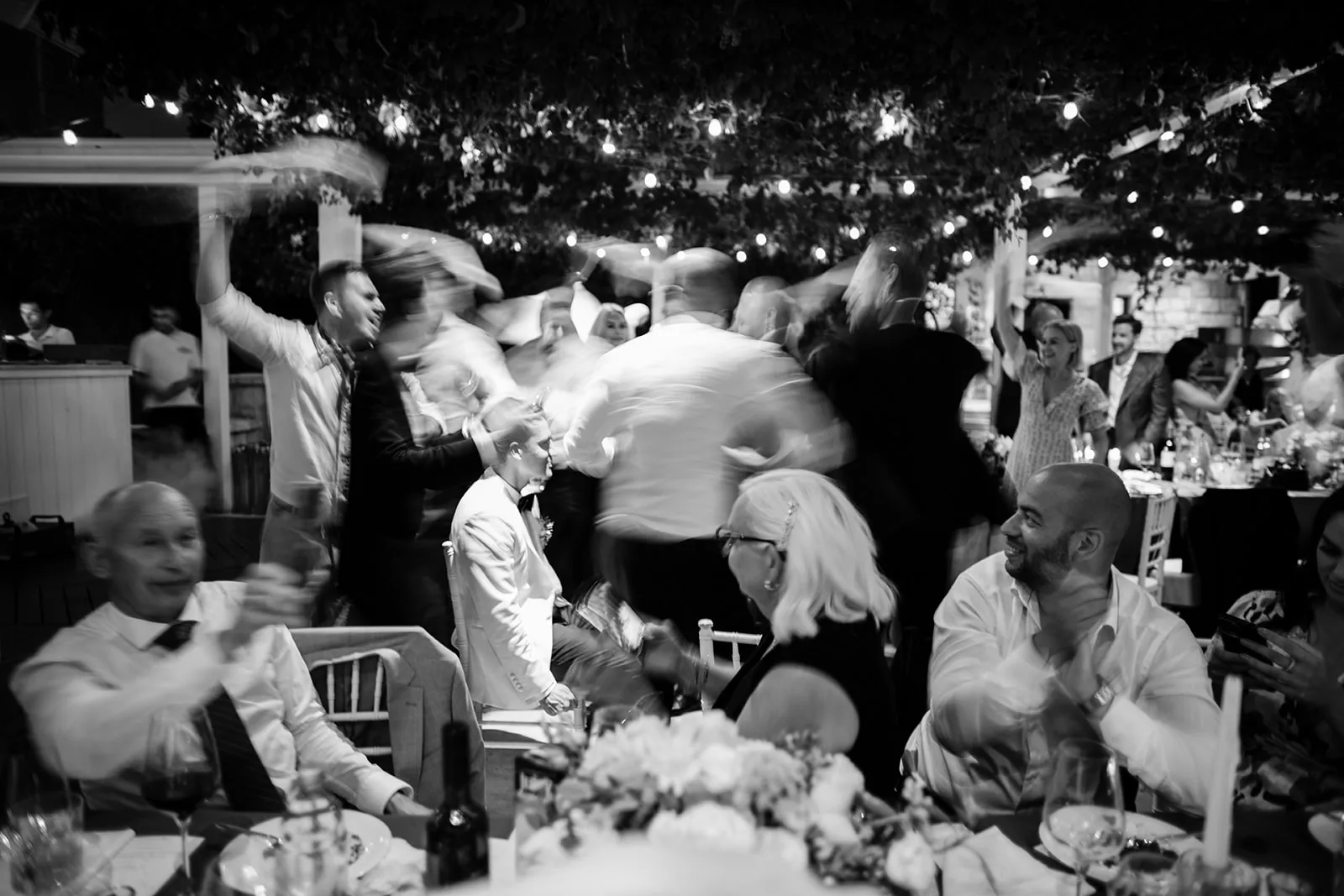
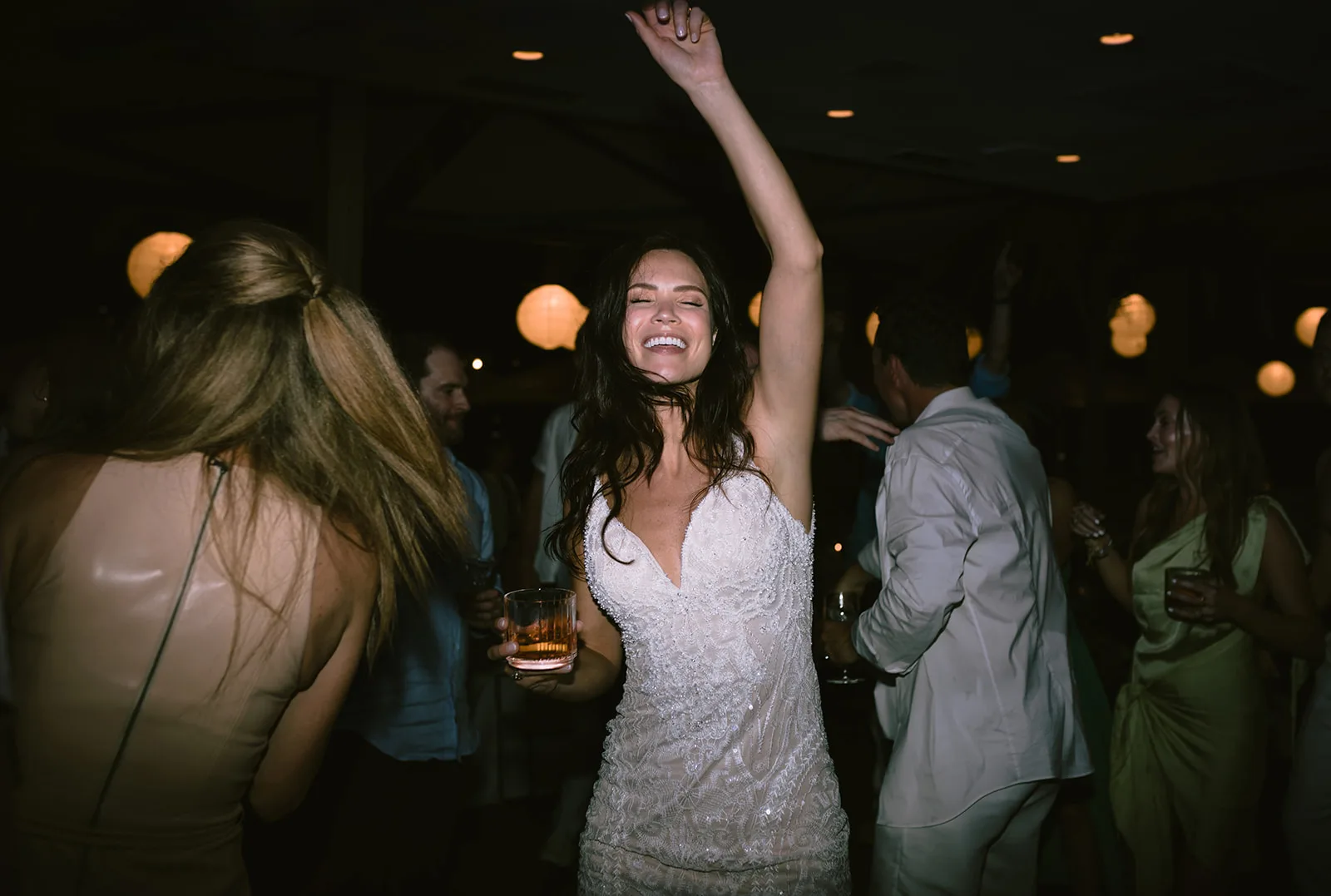
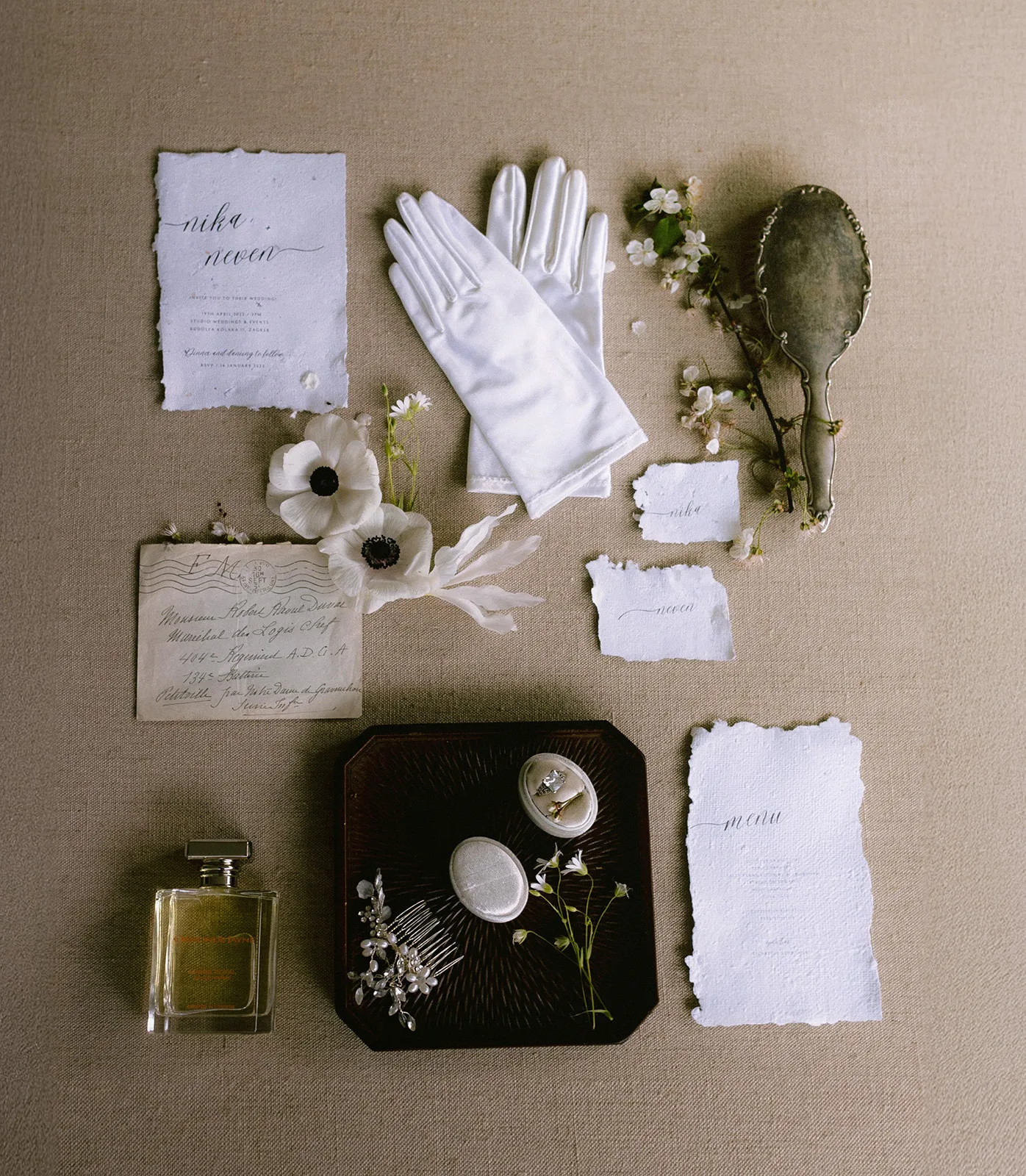
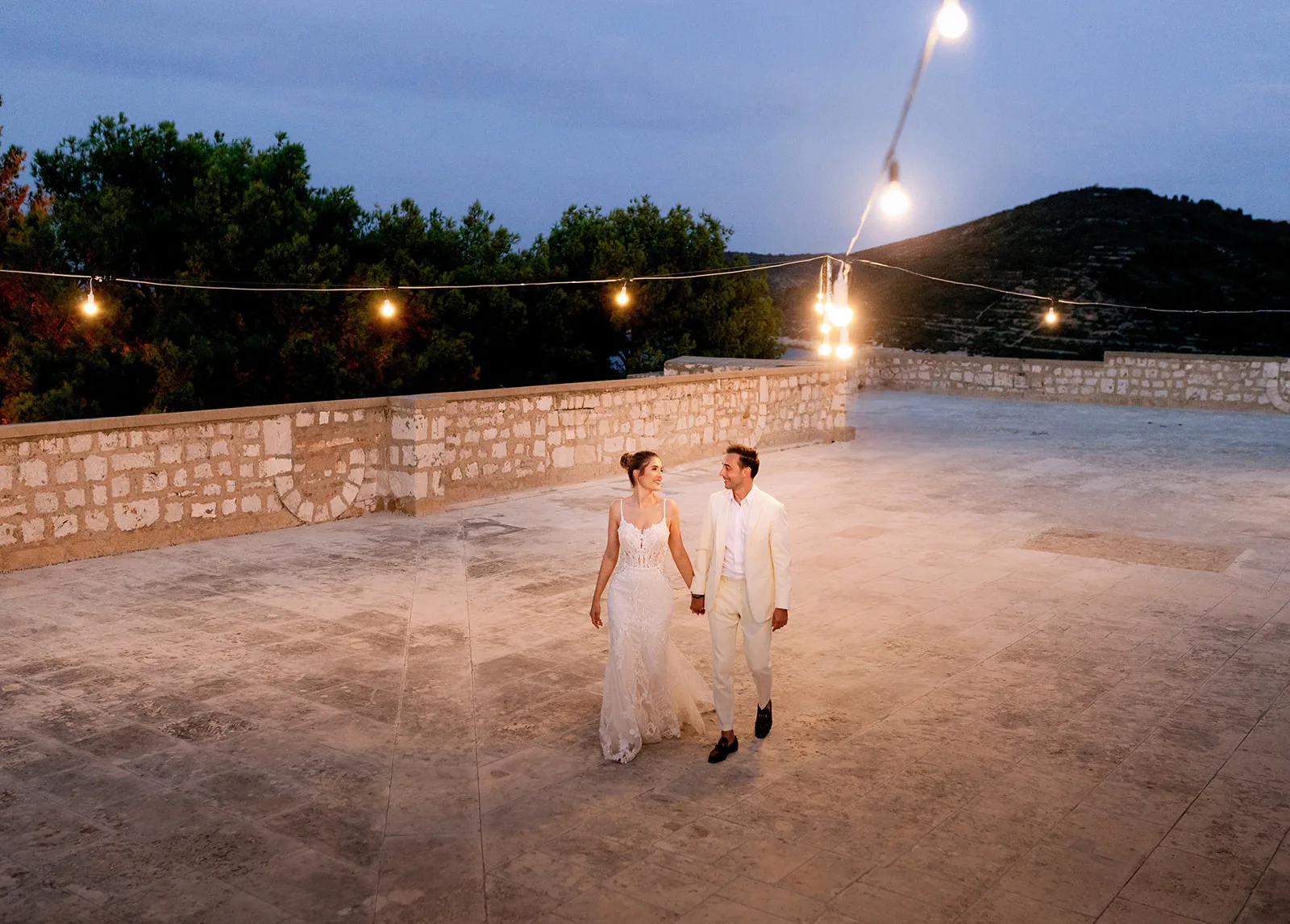
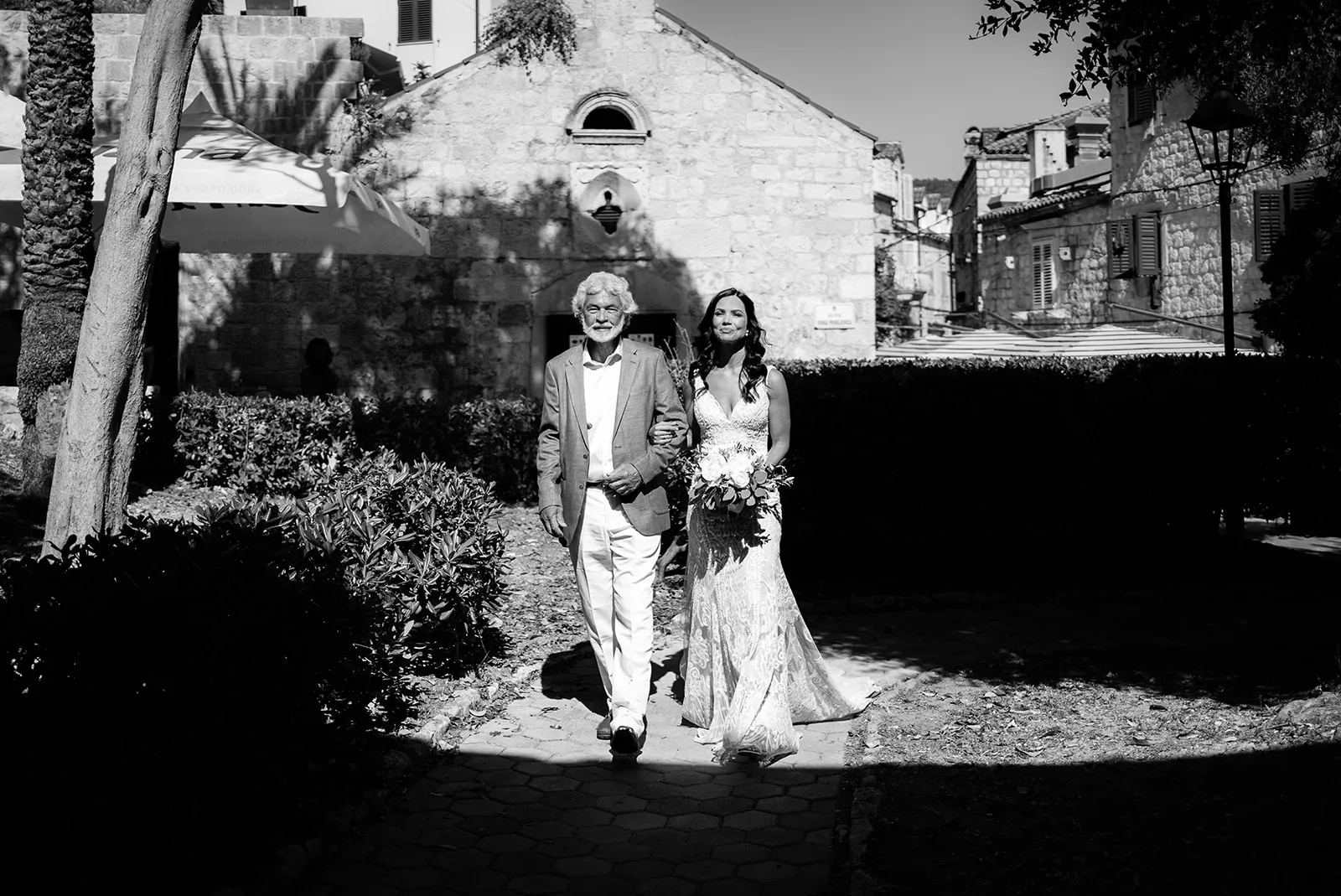
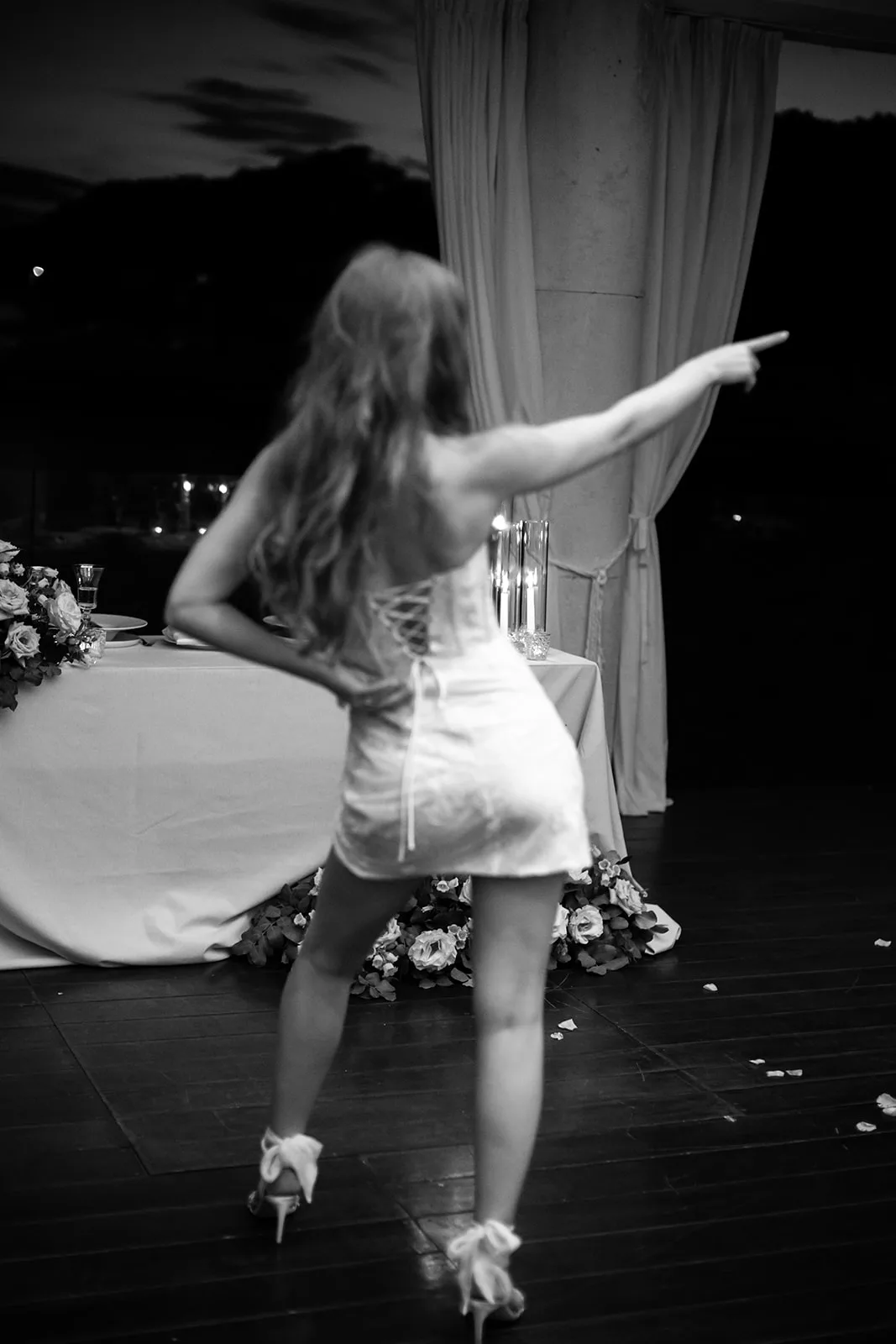
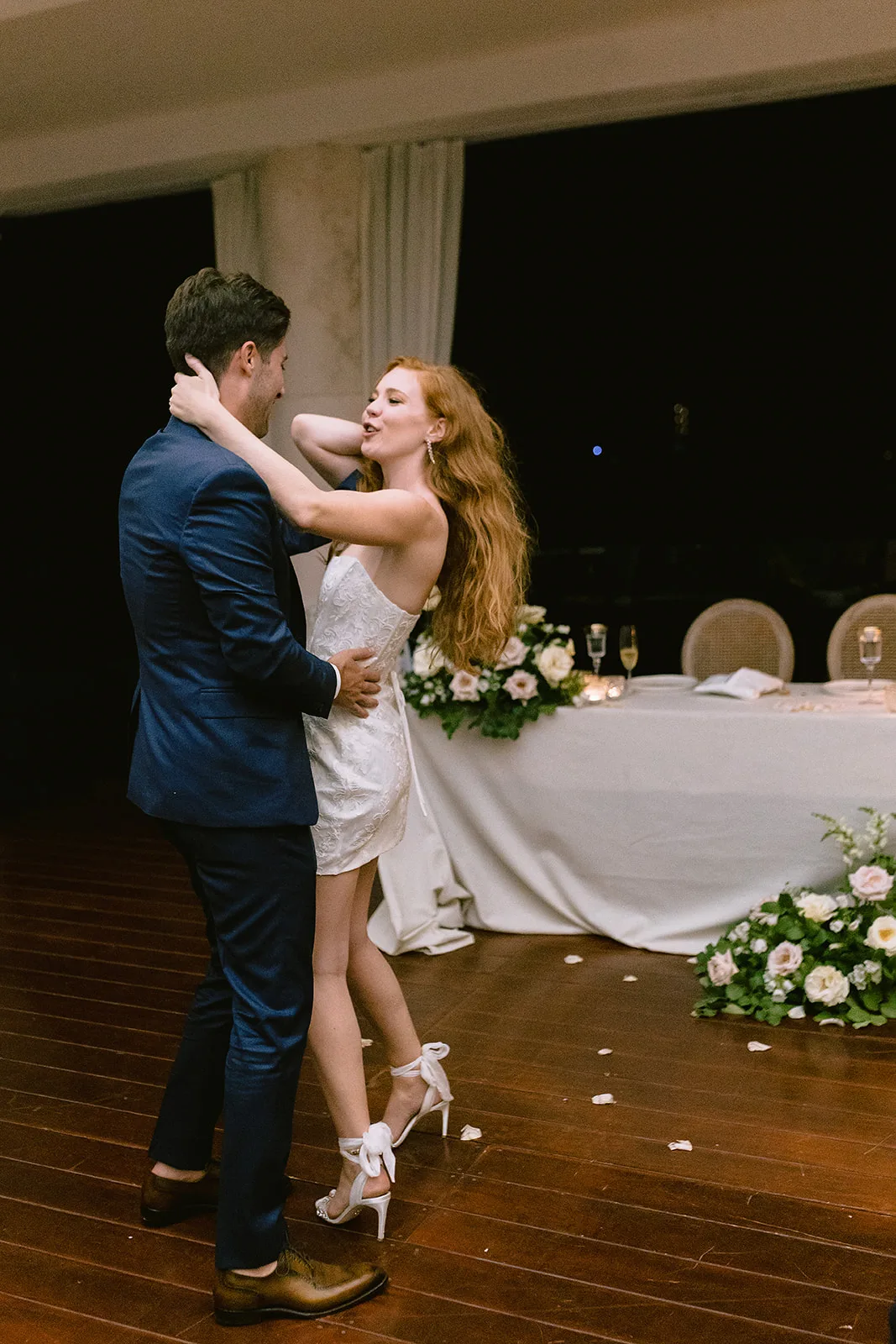
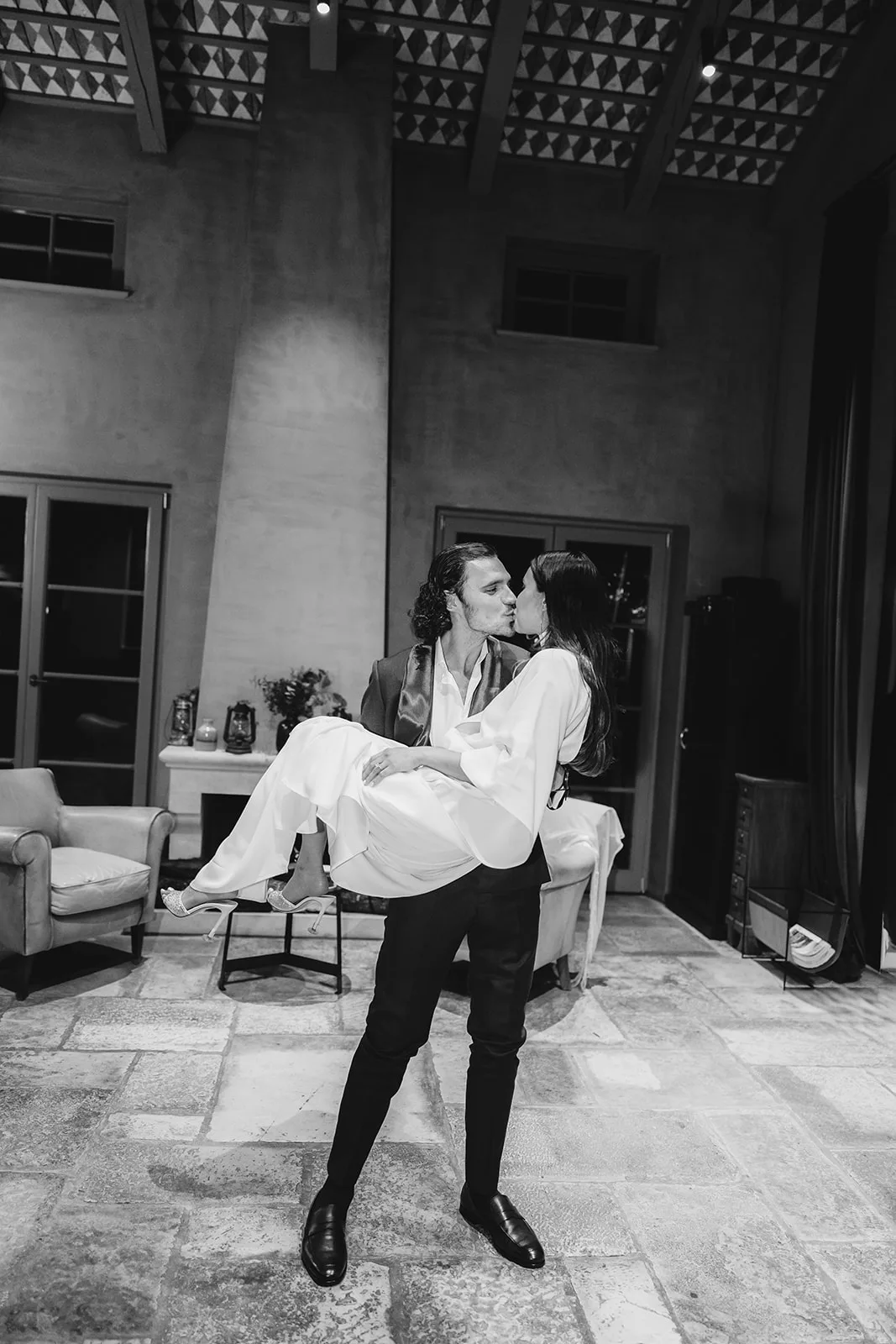
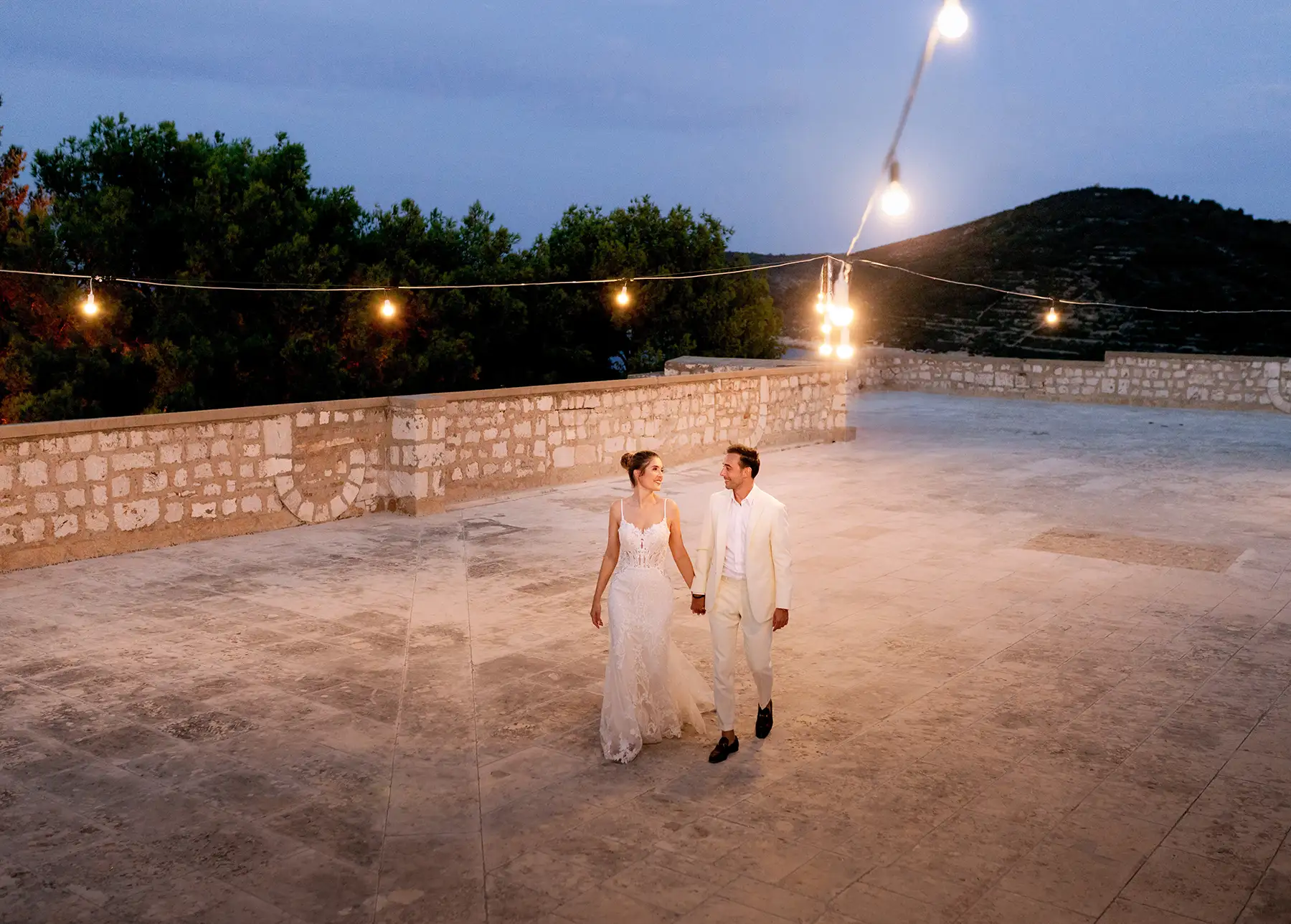
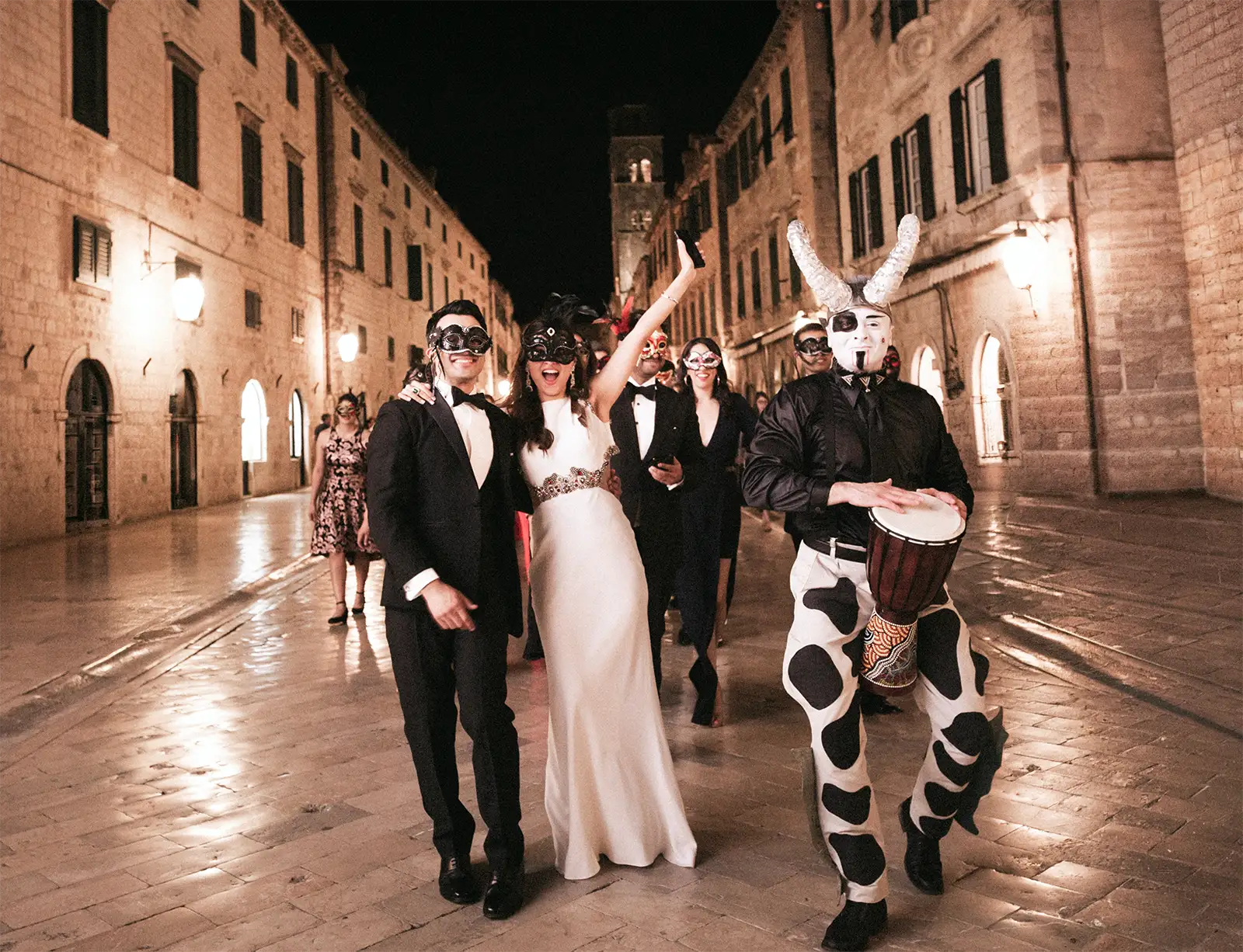
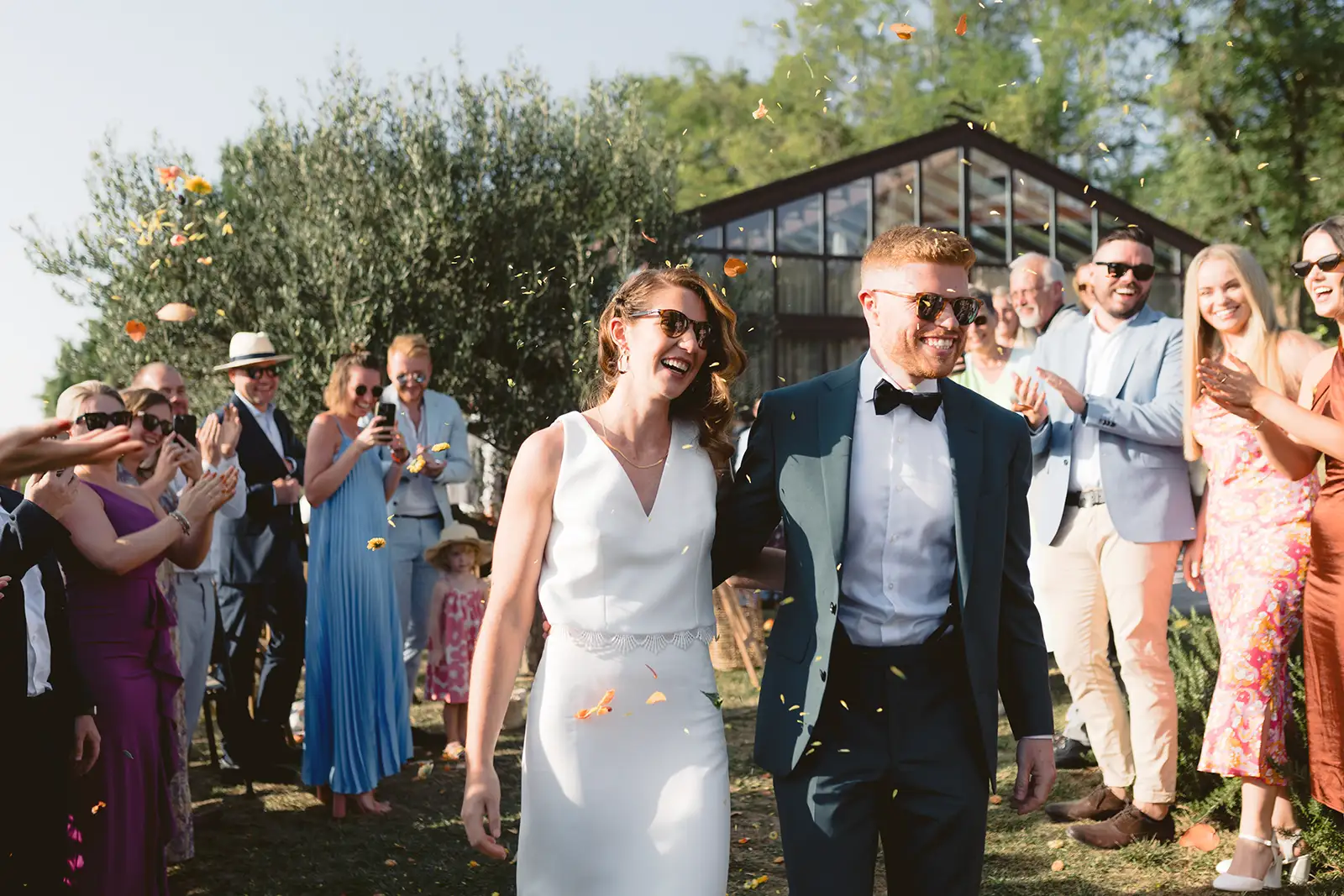
To invite your closest friends to cross borders is to ask for absolute devotion. A destination wedding across this country is a deliberate architectural choice. You are deciding exactly how much of the local world to let in. The Dalmatian coast folds a celebration into a relentless public energy. The deep southern islands strip away the ability to casually leave, forcing a beautiful proximity. The northern archipelagos anchor the days in heavy pine cover, while the Istrian interior offers the luxury of complete independence. The physical reality of these distinct wedding venues commands a different pace entirely. The images directly below map the diverse texture of the coast. Past the gallery, the full geography of this country unfolds in the text, region by region.
There is a quiet irony to looking at wedding venues. You begin by searching for a masterpiece. The priority is, and always should be, securing that one breathtaking backdrop that will physically hold the weight of your wedding day. You want the ancient stone, the perfect slant of Mediterranean light, the exact physical space where everything culminates. Yet the beautiful catch of a destination wedding is that while you are locking in that perfect stage for your vows, a second realization sets in. You are actually drafting the constitution for a temporary republic. You are deciding how your favorite people on earth will experience an entire week.
Rest assured on the mechanics of the thing. Anywhere you land in Croatia, the food will be spectacular, the light will be generous, and the people operating behind the scenes are working at the absolute top of their craft. Nothing will be improvised at your expense. You have landed in exactly the right place. Each region offers its own distinct emotional and visual landscape. The choice below is not just about finding the ultimate setting for your ceremony, but discovering the specific rhythm your closest friends and family will inhabit during the days surrounding it. These notes come from Dijana and Tom, owners of DTstudio, photographing and filming weddings across the Croatian coast.
You are actually drafting the constitution for a temporary republic.
Dalmatia
To begin on the coast is to decide exactly how much of the local world you are willing to let in. There is a specific, heavy gravity to a wedding held in the center of a living city. When you decide to recite your vows in the meticulously preserved medieval monastery garden of Vrt sv. Lovre in Šibenik, gather your people inside the cavernous, vaulted ceilings of the Arsenal Zadar, or stand inside the circular walls of Sveti Donat, you are making a powerful architectural statement. Inside Sveti Donat, the plain stone interior possesses such overwhelming acoustic perfection that it physically amplifies the weight of every single spoken word. Outside those doors, you are not asking the city to stop for your ceremony. You are allowing your wedding to be absorbed into a relentless, ancient rhythm that has outlasted empires. The limestone beneath your feet has been polished to a glass-like slip by centuries of foot traffic, and your celebration simply becomes the newest layer in a very old story.
Beyond the City WallsThe wider Dalmatian territory hides brilliant venues that require a deliberate detour from the…
The wider Dalmatian territory hides brilliant venues that require a deliberate detour from the heavy urban stone.
The Coastal Expanse
Bibich Winery, Skradin. Dining tables beautifully integrated into the working vines.
Crvena Luka Hotel and Resort, Petrčane. Vast, open views of the Adriatic.
Kraljevski vinogradi, Petrčane. Vast, open views of the Adriatic.
Heritage Hotel Maškovića Han, Pakoštane. An entirely different architectural vocabulary, rooted in eastern antiquity and heavy stone.
Radmanove Mlinice. Heavy tree cover cooled by rushing fresh water deep in the Cetina river canyon.
Obonjan Island Resort. A private ecosystem for absolute territorial control.
Hotel Boškinac, Pag. Beautifully alone, surrounded by fierce, wind-scoured rock.
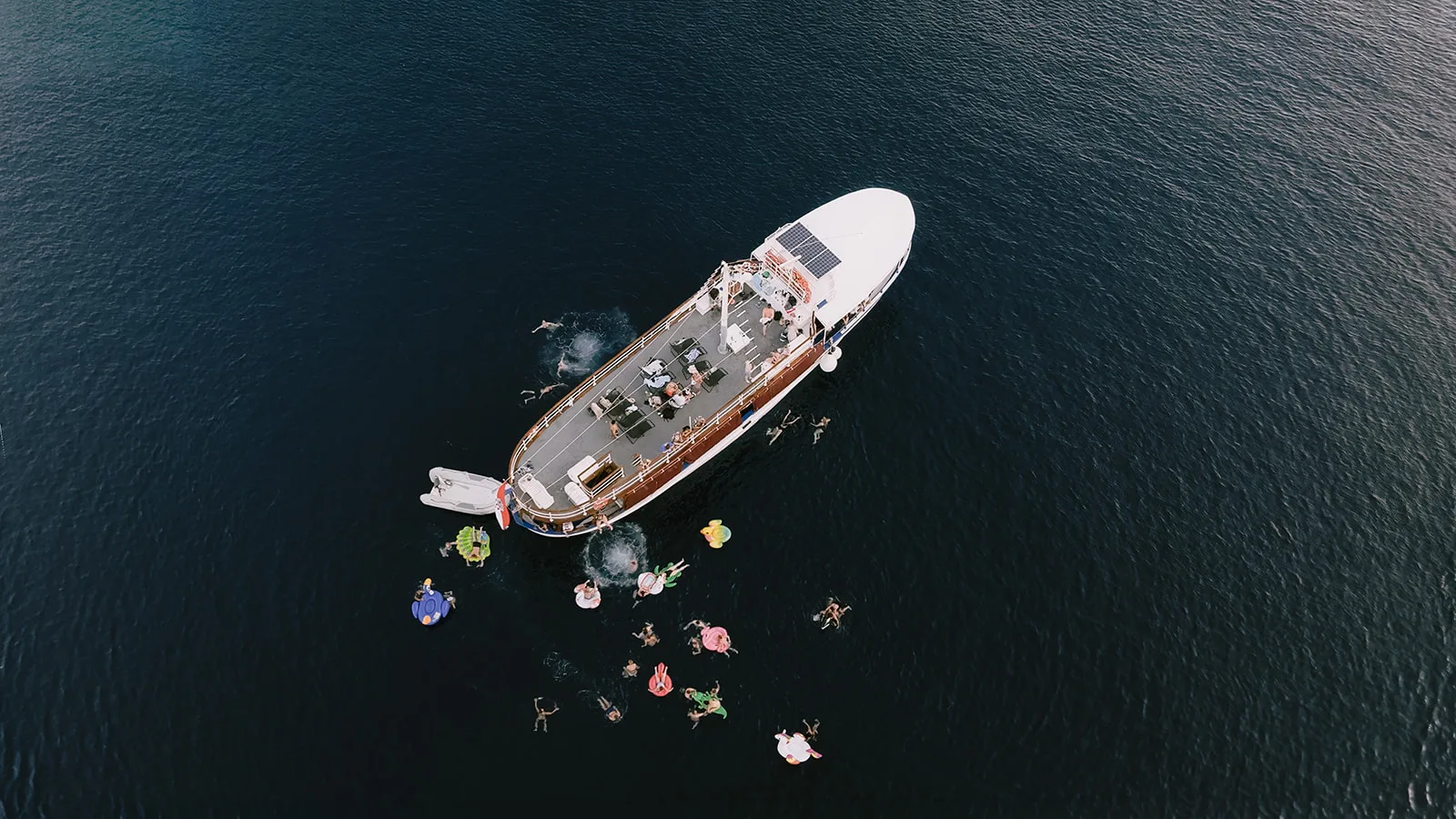
When you finally take your guests out on the water, perhaps hiring a boat from the D Resort in Šibenik, you realize the true scale of the coast. The first hour out is a lesson in patience, navigating a long, narrow channel past a wartime bunker and the heavy walls of the St Nicholas fortress. You slide past Bavljenac, an island blanketed entirely by dry stone walls built generations ago, legible only from the deck. The true wildness of the Kornati is withheld until you finally breach the open sea, making the eventual plunge from the cliffs feel entirely earned.
The urban stone offers an entirely different canvas for your photographer. You might walk the marble alleys of Zadar's old town between seven and eight in the morning, before the stone starts glaring, sharing the quiet streets only with the local cats. You could stand at the Peristil in Split at exactly the right hour, using the ancient sphinx as a heavy backlighting anchor. A short drive away, the blue hour over Trogir allows for a long exposure taken from the bell tower, smoothing the old town roofs into a soft blur. For the specifics of shooting there, our notes on Brown Beach House Trogir weddings go into more depth. If you want water, you arrive at Krka's Skradinski Buk waterfalls at first light, catching the turquoise water under the cascade long before the first tour buses appear.
The days surrounding your wedding in Dalmatia are defined by a deeply public, shared energy. There is no quiet isolation here, only total immersion into the beautiful chaos of the Mediterranean. Your guests will find themselves swept up in the evening promenade of the Korzo. It is a beautiful, aimless migration. They will walk with no destination, stop to embrace strangers, circle back, and repeat the loop as the golden hour turns the white limestone of Diocletian's Palace from warm amber to deep purple. In Split, they might wander past the Peškarija fish market, where the faint sulfur from the adjacent spa famously keeps the flies away. If they step into the indoor dairy room at the Pazar market at midday in July, it smells overwhelmingly sour and pungent. The discomfort and the reward are exactly the same fact, because that specific room is where the real Paški sir is sold.
Down by the water in Zadar, the architecture interacts directly with the tide. The Sea Organ answers the water with wistful, hypnotic sighs, a sound that rises in volume whenever a ferry pushes a fresh wake toward the shore.
There are thirty-five pipes built directly into the waterfront steps, tuned to a diatonic scale. The sea itself pushes the air through them, turning the physical weight of the Adriatic into a continuous, mournful chord.
In the evenings, the air in Omiš fills with the polyphonic harmonies of klapa singers echoing through the narrow alleys, blending with the scent of smoke and embers rising from sizzling grills. The city simply offers you a plate of fresh fish, pours you a glass of wine, and invites you to sit at the table with everyone else.
Dubrovnik
When you build your wedding in Dubrovnik, you are relying on a completely different social architecture. You remove every excuse. This is the one place in Croatia your guests have already heard of, already half imagined, and can reach without anyone privately resenting the journey. Nobody arrives wondering where they are. Where Dalmatia folds your celebration into ordinary working life, Dubrovnik does the exact opposite. The entire walled city was built to be looked at, and your wedding does not blend into the background here. You are making your vows on a stage that has been a stage for six hundred years. That is a distinct, heavy promise, and for some couples it is the only one that matters.
The Architecture of the StageThe city and its immediate surroundings offer a vast catalog of spaces to anchor your…
The city and its immediate surroundings offer a vast catalog of spaces to anchor your day.
The Theatrical Stone
Sponza Palace. Firmly inside the historical center.
The Rector's Palace. Firmly inside the historical center.
Fort Lovrijenac. Monumental stone on the rock.
Lazareti. Revitalized spaces in the old quarantine buildings on the eastern side.
Park Orsula. High above the sea on the old caravan road, functioning beautifully as a viewpoint and ceremony space rather than a traditional reception hall.
Palace Natali. Quiet elegance just outside the walls.
Banje Beach. A direct connection to the water.
Hotel Croatia, Cavtat. Receptions at its Spinnaker restaurant further south.
Hotel Palace. Opening out onto Vala Beach.
Višnjica. Green shade rather than white stone in the countryside of Konavle.
Koračeva kuća. Green shade rather than white stone in the countryside of Konavle.
The monastery on Lopud. Absolute waterfront isolation after a short crossing.
Villa Ruža, Koločep. Absolute waterfront isolation in the island gardens.
When the time comes for your own portraits, the honest answer is that the walled city itself is the entire location. There is no need to hunt for a specific hidden corner or construct a complex itinerary. The ancient streets, the heavy walls, and the polished stone stairs provide everything required, catching the light in a way that needs no further explanation. For those ready to dissect exactly how this walled stage operates in practice, our complete guide to Dubrovnik weddings breaks the architecture and its demands down in far greater detail.
Northern Islands
The visual identity of your wedding shifts entirely when you move out into the Kvarner gulf. You might choose to stand on the elegant stone terrace of the Arbiana Hotel on Rab, or perhaps you will take your vows under the heavy, fragrant pine canopy shared by the Boutique Hotel Alhambra and the historic Art Nouveau walls of Villa Augusta on Lošinj. The air here holds a physical weight. It is saturated with crushed pine needles, wild thyme, and sea salt. The brilliant secret of this specific archipelago is the ease of the arrival. You are securing the absolute isolation and prestige of an island wedding without forcing your guests to endure an exhausting expedition to get there. They step off a short ferry ride and immediately drop into a slower, quieter existence.
The Topography of ChoiceThe northern archipelago holds an incredible density of contrasting spaces to anchor your…
The northern archipelago holds an incredible density of contrasting spaces to anchor your day.
The Island Venues
Hotel Malin, Krk. Multiple distinct environments, allowing a seamless transition from the elegant Emilia hall to an open beach terrace.
Agroturizam Dvori Sv. Jurja. A grounded, earthy alternative to the shoreline deep in the olive groves.
Restoran i Vinotel Gospoja. A dramatic cliff edge in Vrbnik where the village essentially hangs over the water.
Restoran Mošuna, Baška. A deeply secluded atmosphere.
Hotel Bellevue, Lošinj. Tucked into the stunning Čikat bay, completely surrounded by dense forest.
The light on these islands is shaped by the bura. It is a sudden, rushing wind that scours the exposed rock and strips the hillsides, leaving behind a hard, brilliant contrast that forces you to squint against the sun, an onset that is notably sharper in the colder months. When you walk away from the reception for photographs, the geography asserts itself. You might wander through the old town of Vrbnik on Krk, perched sixty meters above the sea, as the golden hour light filters through the narrow alleys. On Rab, you can stand beneath the cathedral and its four bell towers, watching the golden hour slide into the blue hour, the stone silhouetted warm and then suddenly cool. If you are on Lošinj, you walk the heavy pine coastline of Čikat bay. Or you might travel to Lubenice on Cres, a clifftop village rising three hundred and seventy-eight meters above the water. No one books a venue there, but a documented ceremony from September 2012 proved it remains one of the most dramatic, empty environments for low light portraits.
As you walk these paths together, the cicadas do something remarkable. They do not merely hum. They go completely silent the instant they sense a person nearby, resuming only once you have passed, meaning the two of you carry a small, moving bubble of silence with you through the trees.
Once the ceremony concludes and the days stretch out, the geography dictates the recovery. Your guests will wake up to a near total silence. As the afternoon heat builds, the macchia scrub covering the terrain releases its defense mechanism into the wind. The rising temperature extracts essential oils from the juniper and rockrose, wrapping the islands in an intoxicating, heavy warmth.
Austro-Hungarian botanists documented this exact phenomenon in the nineteenth century, prescribing the specific mixture of pine oils and sea salt aerosols as a physical cure for exhaustion. The air itself works on your guests, demanding that they rest.
They will spend their mornings swimming in quiet coves and their afternoons taking coffee by the water. By sunset, they will gather near the cliffs, completely removed from their ordinary routines, anchored entirely by the wild herbs and the stone.
Central and Southern Islands
To bring your wedding out to the deep southern Adriatic is to demand total devotion. The geography here is a crucible. When you ask your guests to witness your vows in the sprawling, sun-baked courtyards of Martinis Marchi on Šolta, or among the heavy stone and quiet olive groves of Nono Ban on Brač, you are making a deliberate logistical choice. You are stripping away their ability to casually leave. Getting to these islands requires intent. Getting back to the mainland requires a strict ferry schedule. Once your friends step off the boat on Brač, Šolta, or further out on Hvar and Vis, they are entirely yours. They are forced into proximity, slowly melting into a single, deeply connected tribe. Our guides to Hvar island weddings and Vis island weddings cover what that proximity looks like on each island.
When the two of you slip away for portraits, the deep isolation of these islands pays off. On Brač, you might stand in Lovrečina cove at sunrise, walking a rare sandy beach with sixth-century basilica ruins directly underfoot. Later, you could find yourselves in the unusual, specific architecture of Pučišća, a village entirely defined by its historic stone quarry. On Mljet, the portraits happen at the pine forest edge at Saplunara, or against the absolute still water backdrop of the inland lakes.
Down on Korčula, the old town stone stairs provide the perfect frame as the light drops from golden into the blue hour, best captured after seven in the evening once the day-trippers have finally cleared out.
The Island ArchitectureEven outside your chosen venue, the deep south is littered with spaces that demand to be seen…
Even outside your chosen venue, the deep south is littered with spaces that demand to be seen and photographed.
Architectural Markers
Lešić-Dimitri Palace, Korčula. An intricate facade demanding a slow walk past.
Hotel Unique, Maslinica. A striking presence on the waterfront of Šolta.
Stina Winery, Brač. A masterclass in clean, coastal design.
Dominican monastery garden, Bol. A quiet, shaded retreat away from the glare of the water.
Badija Island monastery. A remote, silent monument worth exploring for the afternoon.
The isolation works its way into their bones. On Mljet, a profound, heavy silence dominates the landscape, threaded only by the soft dip of a paddle breaking the glassy water. The terrain is enveloped by an ancient forest of Aleppo pines that swallows sound and forces an immediate, physical slowing down. Your guests will realize that there is no secondary location to rush toward. The agenda has been completely wiped clean.
The days stretch out, governed only by the heat and the movement of the sun. On Brač, the late afternoon light shifts the atmosphere entirely. Someone will make the drive up to Vidova Gora, the highest point on the island, to look down at the Zlatni Rat beach reaching like a pale tongue into the sea. The run up to the evening is always heavily anticipated, as the twenty minutes before the sun actually sets cast a more beautiful light than the sunset itself. The harsh midday glare softens into a gradient of gold, orange, and pink.
The shadows begin to lengthen across the limestone, and the busy harbors suddenly go quiet. The scent of pine and salty sea air, mixed with wild basil and lavender, settles heavily over the stone lanes.
By dusk on Korčula, the stone lanes cool the exact moment the sun drops behind the campanile, and the Adriatic shifts from turquoise to a thick, impenetrable ink. The bells of the Sveti Marko cathedral ring out into the twilight. A tasting room door swings open, releasing the faint, damp coolness of a wine cellar out into the warm street, and your people pull their chairs a little closer together.
Istria
Istria offers a very specific social architecture: the luxury of letting your people go. If you love your friends dearly but have absolutely no desire to chaperone them from breakfast until midnight, you bring them here. Geographically and culturally, this peninsula is built for independence. You are giving your guests the keys to a kingdom of hill towns and deep forests, fully trusting them to scatter.
Before your guests even wake, there is a distinct, private quiet to be found. You step out together into the early morning along Grisia Street in Rovinj, walking before eight o'clock when the narrow, converging stone buildings create a sharp perspective that pulls the eye entirely upward, completely empty of tourists. This is the solitary hour, the brief window where the celebration belongs solely to the two of you, long before the collective demands of the group take over. Later in the morning, you might stand inside the Euphrasian Basilica as the late morning light catches the ancient mosaics, isolating the two of you in a heavy, golden silence. By the time you reach Motovun at the golden hour, the low sun rakes the city walls red and you look down over the Mirna valley, finally ready to rejoin your people.
The Architecture of the CoastWhile the interior provides the wildness of the deep forests, the coastal towns offer a…
While the interior provides the wildness of the deep forests, the coastal towns offer a completely different architectural gravity for your ceremony.
The Elegant Estates
St. Euphemia, Rovinj. Centuries of preserved, solemn history inside towering baroque walls.
Euphrasian Basilica, Poreč. Ancient, sacred architecture anchoring the ceremony.
Monte Mulini Hotel. Deeply elegant, relaxed atmosphere in lush, manicured meadows.
Hotel Park. Deeply elegant, relaxed atmosphere on the waterfront terraces.
Restaurant Lanterna. Formal tables where the light behaves differently right by the water.
Villa Paulina. Secluded, aristocratic gardens.
Crveni otok. Absolute seclusion just a short boat ride away, anchored completely by the gentle sea breeze and the surrounding pine woods beneath Baron Hütterott's castle.
The environment itself enforces a certain pace. When the afternoon temperature finally hits 18°C, the cicadas do not merely hum. They activate into a heavy, vibrating wall of sound that essentially mandates a siesta. Up in these medieval streets, the ringing of church bells replaces the predictable crash of coastal waves. If you arrive late in the year, the sharp, earthy scent of white truffles drifts through the autumn air, anchoring the entire region in something ancient and grounded.
Your guests will instinctively wander. A few of them might spend the morning watching the thick mist rise from the Mirna valley, making the town of Motovun look precisely like an island suspended in the clouds. They might lose track of time on the terrace at Roxanich Wine and Heritage Hotel, getting happily derailed by a bottle of local teran. Then evening comes, and the genius of the Istrian strategy reveals itself. After a day of total freedom, your people return to the fold. They pull their cars onto the long gravel drive of the Meneghetti Wine Hotel and Winery. They gather in the stone courtyards of the Morosini-Grimani Castle, holding cold glasses of malvazija, genuinely eager to tell you what they discovered while you were resting. They have lived their own separate stories that afternoon, and now they are bringing that electric, satisfied energy directly back to your dinner table. You did not just host a party. You gave them a world to explore.
Kontinent
There is, of course, an alternative to the glare of the sea. The inland regions offer a completely different palette of rolling green hills, deep forest shade, and the heavy Austro-Hungarian architecture of the capital.
The Continental AlternativeThere is a deeply elegant, sophisticated alternative for those who find the glare of the white…
There is a deeply elegant, sophisticated alternative for those who find the glare of the white coastal stone too blinding.
Inland Elegance
Esplanade Zagreb Hotel. A room heavy with history and old world formality under the ornate, glittering chandeliers of the Smaragdna dvorana.
Stara gradska vijećnica. Timeless, civic elegance in the capital.
Imanje Marincel. Lush surroundings just outside the city.
Trakošćan castle. Courtyards looking over dense, quiet woodlands in the Zagorje region.
Dvorac Gjalski. Courtyards looking over dense, quiet woodlands in the Zagorje region.
Plitvička jezera. A masterclass in the movement of light, where the water clarity and crowd patterns shift dramatically with the season.
In the capital, you can capture the golden hour walking down Tkalčićeva street in the Upper Town, listening to the bells ring their counted pattern: one strike at a quarter past, two at half past, three at a quarter to, and four on the hour. You might walk the Trakošćan lake path at first light, the mist still clinging to the water. Down in the cellars, the air is thick with the scent of fermentation and dusty bottles stacked against old brick. For your own portraits in Plitvice, you take the boardwalks at the very first entry of the day, before the crowds, when the mist remains highly cinematic. They will learn the difference between shade blue and sun blue in the travertine pools, walking to the constant hush and fizzy rush of water sliding over rock steps. It is a cooler, softer world entirely.
Ultimately, all of this geography serves a single purpose. You are gathering the people who matter most to you, pulling them out of their daily routines, and establishing a new set of borders for a few short days. The stone, the light, and the salt air are just the materials you use to build that shared world. Long after the final toast is given and the last ferry departs, what remains is the physical weight of the week you built. You will remember the exact temperature of the stone, the smell of crushed pine in the dark, and the sudden, overwhelming realization that for one brief window in time, everyone you love was walking down the same narrow street.